

Hyderabad Public Transport Update 2026: TSRTC Electric Buses Expansion, MMTS Delays & ORR Metro Plans
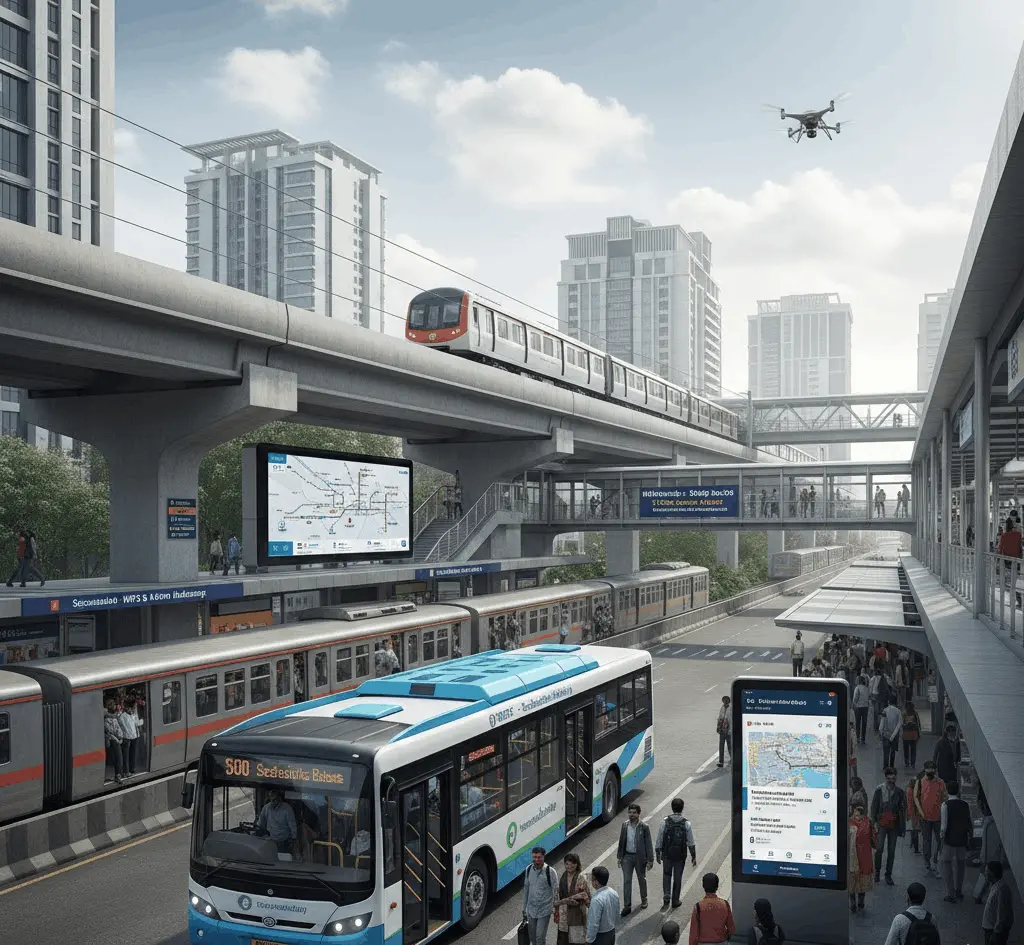
Hyderabad: Public transport infrastructure in the city is undergoing rapid transformation with expanded electric bus deployment, metro network integration, and ongoing MMTS funding challenges. Authorities aim to improve multimodal connectivity for a population exceeding 10 million while addressing congestion and operational constraints.
TSRTC Expands Electric Bus Fleet Under 500-Bus Electrification Plan
The Telangana State Road Transport Corporation (TSRTC) introduced 65 new electric low-floor buses in December 2025 at the Ranigunj depot. The rollout forms part of a larger 500-bus electrification initiative supported by Olectra Greentech.
Key Features of New Electric Buses
- Lithium-ion battery systems
- Real-time GPS tracking
- USB charging ports
- Low-floor accessibility with ramps
- Deployment on high-density routes
Major corridors include:
- Secunderabad to Gachibowli
- Miyapur to Uppal
By January 2026, the fleet will cover 373 residential colonies. Officials estimate a 20% emission reduction in congested corridors.
During Sankranti 2026 (January 12–18), TSRTC operated over 1,000 special buses from major terminals such as MGBS and JBS to manage festive travel demand.
Plans are underway to induct 2,000 additional electric buses by mid-2026, including services extending to Outer Ring Road (ORR) suburbs.
Bus Fare Structure
- Ordinary buses: ₹10 starting fare
- Metro Deluxe: ₹20–₹50
- AC Volvo (Airport routes): ₹100+
Live tracking is available via the TSRTC mobile application.
MMTS Phase II Faces Funding Delays Amid Declining Ridership
The Multi-Modal Transport System (MMTS) operates across 90 km with 133 daily services covering routes including:
- Falaknuma
- Lingampally
- Hi-Tech City
However, Phase II expansion remains stalled due to a reported ₹381 crore funding shortfall from the state government.
Completed track segments include:
- Lallaguda–Sitaphalmandi
- Mettuguda–Tarnaka
Ridership has declined by approximately 15%, attributed to metro competition and free bus schemes for women. Peak-hour delays average 20 minutes.
MMTS Operational Snapshot
- Fare range: ₹5–₹50
- Service hours: 4 AM to 11 PM
- Frequency: 10–30 minutes
Despite delays, MMTS remains a cost-effective option for longer-distance commuters.
Hyderabad Metro & ORR Metro to Strengthen Multimodal Connectivity
The Hyderabad Metro network currently spans three operational corridors:
- Red Line (Miyapur–LB Nagar, 29 km)
- Blue Line (Nagole–Raidurg, 28 km)
- Green Line (JBS–MGBS, 15 km)
With 57 stations, daily ridership stands at approximately 4 lakh passengers.
Major interchange hubs include:
- Secunderabad (MMTS–Metro link)
- Ameerpet
- Begumpet
Feeder buses and skywalks facilitate integration between buses, metro, and MMTS.
ORR Metro Project
A 22-station metro corridor is proposed along the 158-km Outer Ring Road. The project aims to connect IT hubs such as Gachibowli to the airport by 2028.
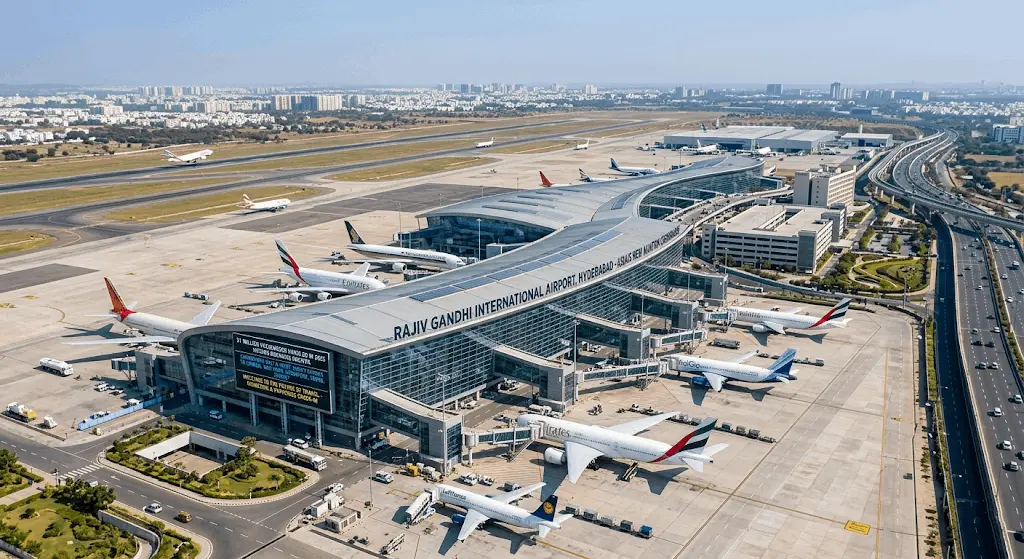
Metro Phase II extensions toward Chandrayangutta and RGIA are expected to improve airport connectivity and reduce dependency on road-based transport.
Key Challenges in Hyderabad Transport Network
Despite expansion efforts, challenges persist:
- MMTS Phase II funding delays
- Peak-hour congestion on 30% of bus routes
- Charging infrastructure limitations for e-buses
- Overcrowding due to 25% ridership increase under women’s free bus scheme
Authorities expect fleet expansion to ease capacity pressure by early 2026.
Technology Integration & Future Outlook
Recent improvements include:
- Real-time tracking
- UPI-based ticket payments
- Route planning apps integration
Officials project that full ORR connectivity could reduce average commute times by up to 40% by 2027.
Hyderabad’s long-term strategy focuses on electrification, intermodal synchronization, and sustainable transport planning.



Leave a Reply