

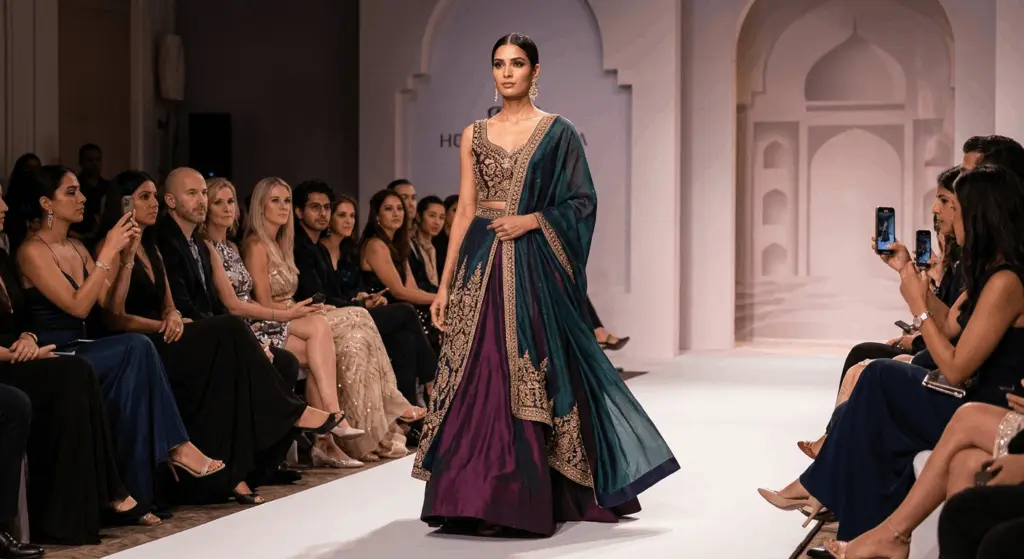
Indian ethnic fashion is witnessing an extraordinary resurgence across global markets in 2026. Once considered attire reserved mainly for festivals and weddings, traditional Indian clothing has now evolved into a globally admired fashion statement. From international fashion weeks to Hollywood red carpets, Indian-inspired garments are becoming increasingly visible, highlighting India’s rich textile heritage and exceptional craftsmanship.
Leading designers, luxury fashion houses, and global celebrities are embracing handcrafted sarees, embroidered lehengas, elegant kurtas, and contemporary Indo-Western collections. This renewed demand is not only promoting Indian culture internationally but is also creating significant economic opportunities for artisans, weavers, exporters, and fashion entrepreneurs.
The revival reflects a broader global shift towards sustainability, handcrafted products, and cultural authenticity. Consumers worldwide are increasingly choosing garments that combine style with heritage, making Indian ethnic wear one of the fastest-growing categories in international fashion.
Why Indian Ethnic Wear Is Becoming Popular Worldwide
The growing popularity of Indian ethnic fashion is driven by changing consumer preferences across international markets. Fashion buyers are increasingly looking beyond mass-produced clothing and seeking garments that tell a story through craftsmanship, tradition, and sustainability.
Indian textiles such as Banarasi silk, Chanderi, Kanjeevaram, Bandhani, Kalamkari, Ikat, and Khadi offer unique aesthetics that cannot easily be replicated by fast-fashion brands.
Several global factors are contributing to this rising demand:
Growing Appreciation for Handmade Fashion
Consumers today value handmade products because they represent authenticity and craftsmanship. Indian artisans spend weeks or even months creating intricate embroidery, handloom fabrics, zari work, mirror work, and block printing techniques that machine manufacturing cannot replicate.
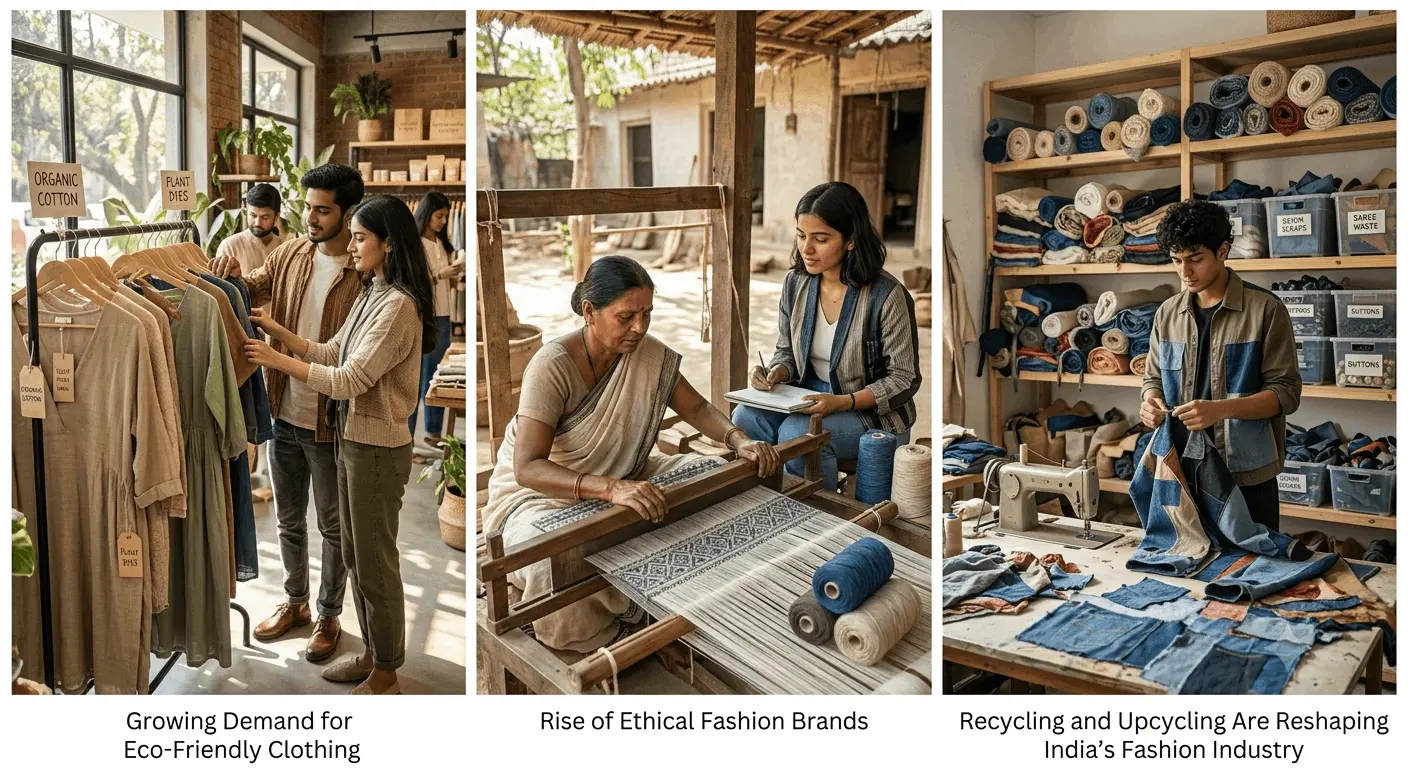
Sustainability Is Driving Consumer Choices
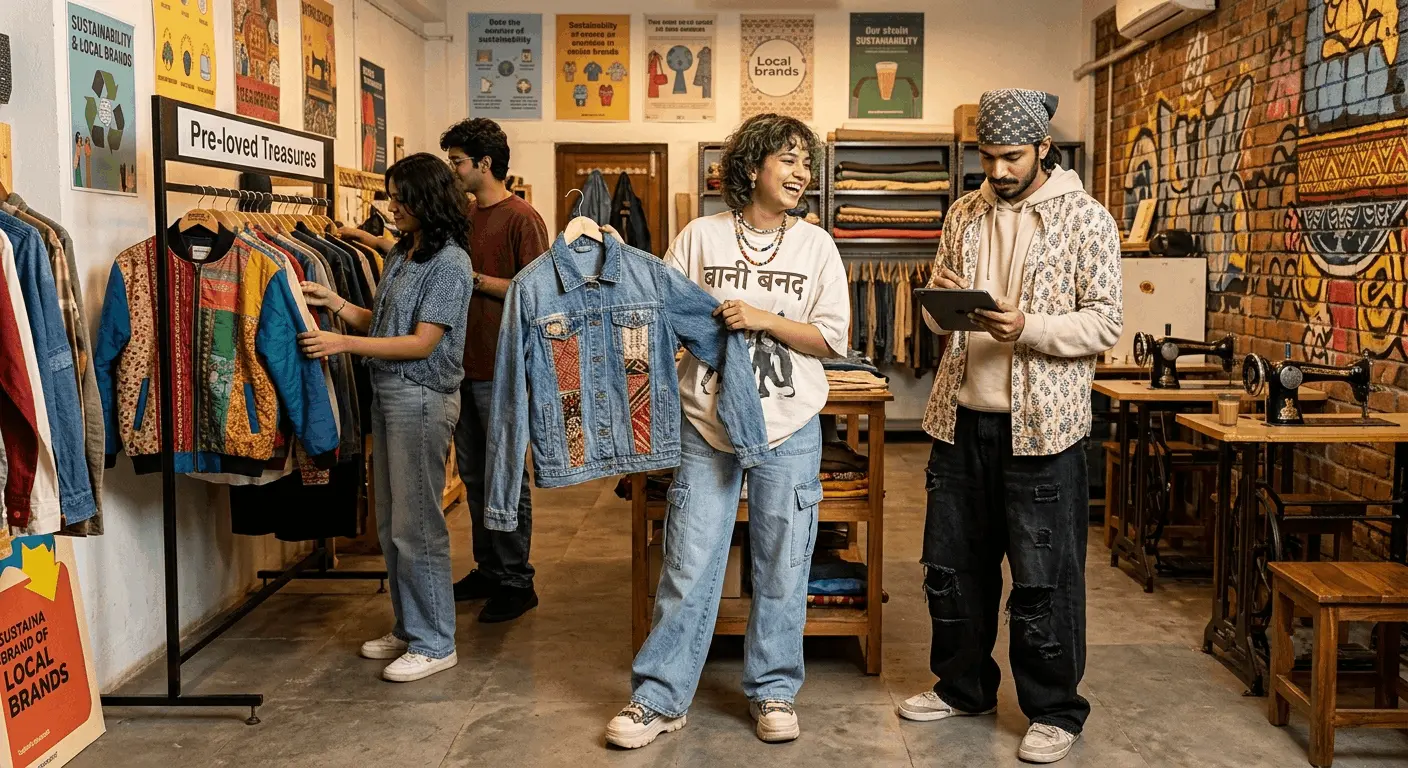
The fashion industry is facing increasing criticism for pollution and textile waste. Indian ethnic wear often utilizes natural fabrics, organic dyes, and traditional weaving techniques, making it more environmentally responsible than many fast-fashion alternatives.
Sustainability has become a major purchasing factor among younger consumers in Europe, North America, Australia, and parts of Asia.
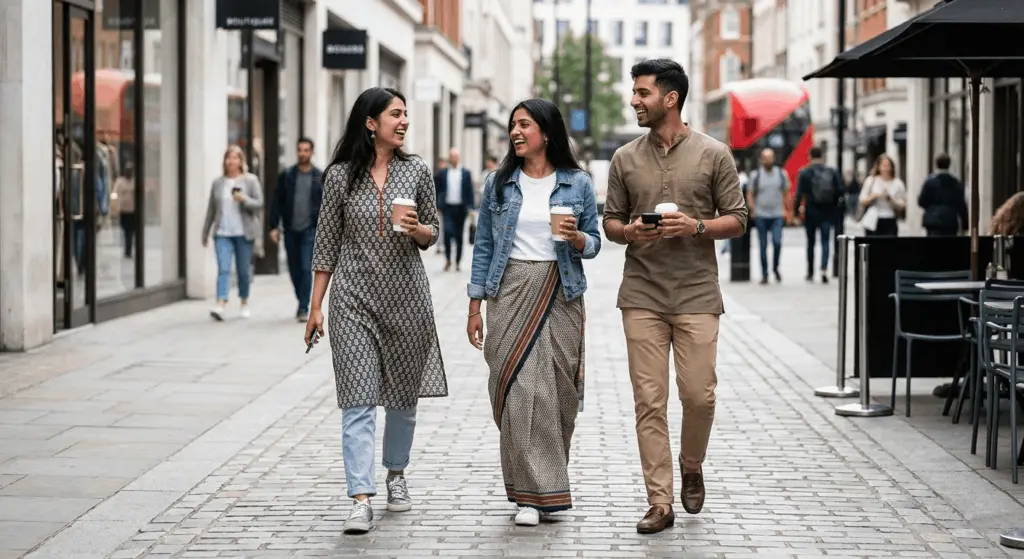
Indian Designers Leading the Global Fashion Movement
India’s fashion designers are playing a crucial role in bringing ethnic wear to international audiences. Rather than simply preserving traditional designs, designers are modernizing classic silhouettes to appeal to contemporary global consumers.
Many designers now collaborate directly with rural artisans to revive ancient weaving and embroidery traditions while ensuring better livelihoods for local communities.
Their collections frequently combine:
Traditional Craftsmanship with Modern Design
Today’s collections blend heritage with innovation by introducing:
- Contemporary saree drapes
- Lightweight bridal lehengas
- Indo-Western gowns
- Designer kurtas
- Structured jackets with ethnic embroidery
- Minimalist festive wear
This approach allows younger generations to embrace traditional clothing in everyday fashion.
Related Posts
Fusion Fashion Is Attracting Younger Consumers
Fusion fashion has emerged as one of the fastest-growing segments within India’s apparel industry.
Instead of choosing between Western and traditional clothing, consumers now combine both styles to create versatile wardrobes.
Popular fusion trends include:
Trending Indo-Western Styles
- Sarees with belts
- Blazers over lehengas
- Kurta dresses
- Palazzo suits
- Crop-top lehengas
- Indo-Western co-ord sets
- Ethnic jackets paired with denim
These designs are becoming popular not only in India but also among international consumers looking for elegant cultural fashion with everyday practicality.
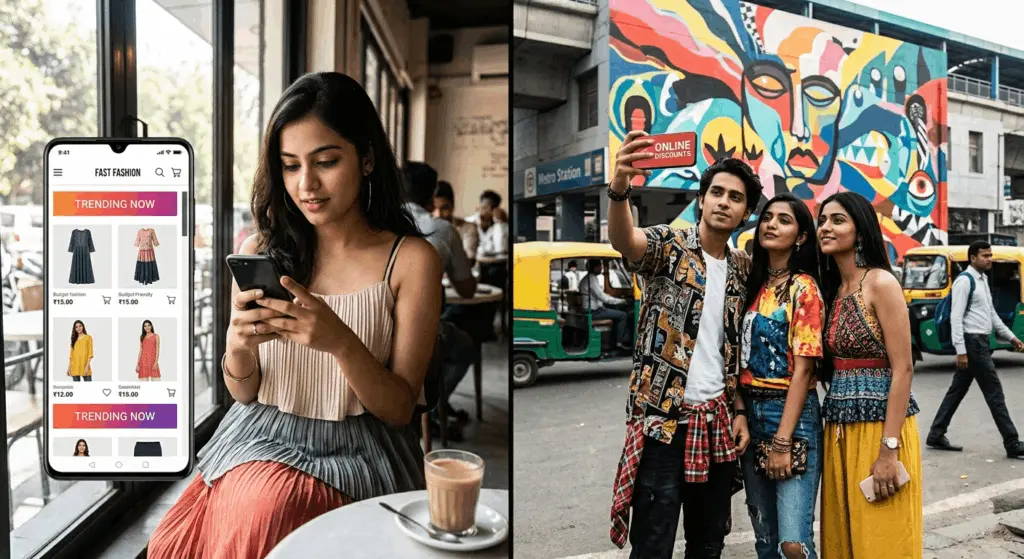
Social Media Is Accelerating Global Demand
Digital platforms have dramatically increased the visibility of Indian ethnic fashion worldwide.
Instagram, Pinterest, YouTube, and fashion influencers regularly showcase Indian wedding outfits, festive styling guides, and designer collections to millions of viewers.
Fashion creators also educate audiences about:
Digital Influence on Fashion Buying
- Fabric quality
- Artisan stories
- Styling ideas
- Sustainability
- Cultural significance
- Wedding fashion inspiration
E-commerce has further simplified international purchasing by allowing customers across the globe to order authentic Indian garments directly from designers and retailers.
Government Support Is Strengthening India’s Textile Industry
Government initiatives promoting handloom products, handicrafts, and textile exports continue to strengthen India’s position in the international fashion industry.
Several programs encourage:
Key Government Initiatives
- Export promotion
- Handloom development
- Skill development
- Artisan welfare
- GI tag protection
- MSME support
- International trade exhibitions
These efforts help preserve India’s centuries-old textile traditions while expanding global business opportunities.
Economic Benefits of the Ethnic Fashion Revival
Economic Benefits of the Ethnic Fashion Revival
The increasing global demand for Indian ethnic wear extends beyond fashion—it significantly contributes to India’s economy.
The industry supports millions of people, including:
Employment Generation
- Handloom weavers
- Embroidery artisans
- Textile manufacturers
- Fashion designers
- Export businesses
- Retailers
- Logistics companies
- Digital fashion startups
As exports grow, rural textile clusters also receive greater economic opportunities, helping preserve traditional crafts for future generations.
Challenges Facing the Industry
Despite its impressive growth, the Indian ethnic fashion industry still faces several challenges that require long-term solutions.
Major Industry Challenges
- Counterfeit products
- Fast-fashion imitation
- Rising raw material costs
- Limited artisan availability
- Global competition
- Supply chain issues
- Scaling handcrafted production
- Maintaining consistent quality
Addressing these challenges will be essential for sustaining international growth.
Future Outlook for Indian Ethnic Fashion
Industry experts believe the global demand for Indian ethnic wear will continue to expand throughout the coming years.
Several emerging trends are expected to shape the industry’s future:
Future Fashion Trends
- AI-assisted fashion design
- Sustainable luxury clothing
- Smart textiles
- Personalized ethnic fashion
- Digital fashion shows
- Global designer collaborations
- Eco-friendly production
- Virtual fitting technologies
These innovations are expected to strengthen India’s reputation as a global leader in heritage fashion.
Conclusion
The resurgence of Indian ethnic wear in 2026 represents far more than a fashion trend—it reflects a growing appreciation for craftsmanship, sustainability, and cultural identity. Traditional garments such as sarees, lehengas, kurtas, and handcrafted textiles are finding renewed relevance among modern consumers across international markets.
Driven by visionary designers, skilled artisans, supportive government initiatives, and the power of digital platforms, India’s ethnic fashion industry is entering a new era of global recognition. While challenges such as counterfeiting and supply chain constraints remain, the industry’s long-term outlook remains highly positive.
As global consumers increasingly seek authentic, sustainable, and culturally rich fashion, Indian ethnic wear is well positioned to become one of the defining influences in the international apparel industry for years to come.

Leave a Reply