

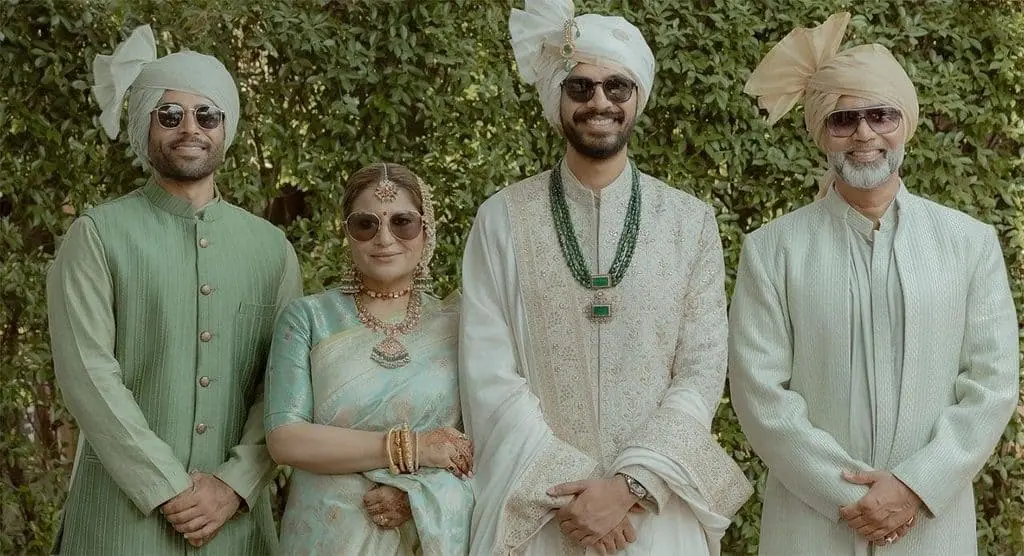
Let’s be honest—wedding fashion in India has never really been just about clothes. It’s about the emotions we carry, the families we belong to, the traditions we grew up with, and honestly? A little bit about how we want the world to see us on one of the biggest days of our lives.
But here’s the thing—2026 is different. The way we dress for weddings is quietly, beautifully shifting. Don’t get me wrong, traditional outfits still have our hearts. But today’s bride, groom, and even the guests are asking for something more: comfort, versatility, and a fresh twist on classic Indian style that actually feels theirs.
What’s Changing in Wedding Wardrobes?
Across the country, we’re seeing a beautiful balance—heritage meeting the present moment. Heavy, over-the-top embellishments are slowly stepping aside. In their place? Lightweight fabrics, dreamy pastel shades, handcrafted details, and outfits that can be styled in more than one way (because who doesn’t love getting more wear out of a gorgeous piece?).
Designers and industry insiders are noticing this shift too. Today’s wedding shoppers aren’t just chasing that “wow” factor for the camera. They want to actually enjoy the celebrations—dancing at the sangeet, sitting through long ceremonies, running between functions—without feeling like they’re wearing a piece of art that’s too fragile to move in.
For the Women: Elegant, Modern, and Surprisingly Wearable
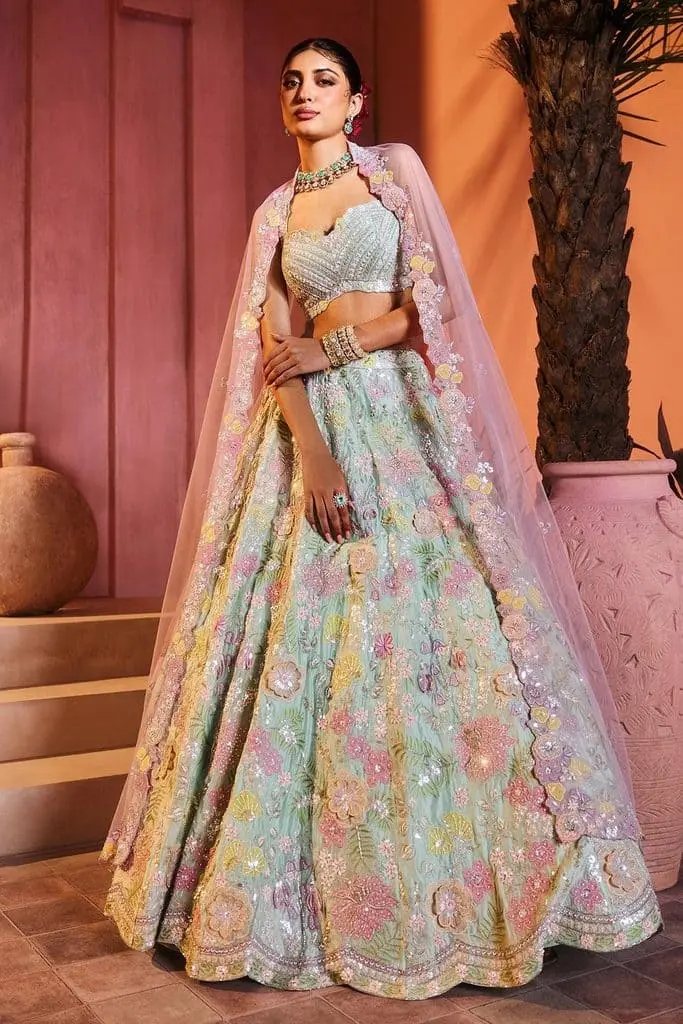
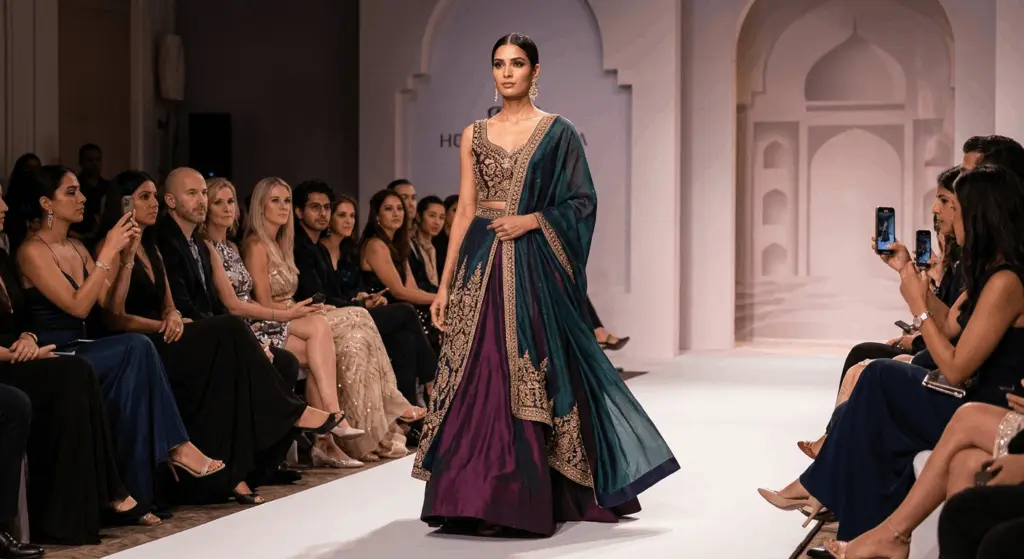
If you’re a woman planning your wedding wardrobe for 2026, you’re in for a treat. Lehengas, sarees, and ethnic gowns are still very much in the spotlight, but they’re getting a major upgrade in practicality.
Pastels Are Here to Stay
Blush pink, lavender, mint green, ivory, champagne, soft peach—these soft, romantic shades are taking over. They feel elegant, sophisticated, and surprisingly fresh compared to the bolder, brighter palettes we’ve seen for years.
Related Posts
- India Fashion Trends 2026: What Gen Z Is Wearing This Year
- Affordable Fashion Brands Gaining Popularity Among Youth in India (2026)
- Indian Ethnic Wear Making Global Comeback in 2026: How Indian Designers Are Redefining Global Fashion
Less Bling, More Craftsmanship
Designers are moving away from loud, heavy embellishments and leaning into detail. Think delicate floral embroidery, handcrafted motifs, subtle sequins, mirror work, and intricate hand-embroidery. It feels more personal, more artisanal.
The Rise of “Ready-to-Wear” Ethnic
Pre-draped sarees and ready-to-wear ethnic outfits are becoming absolute lifesavers—especially for younger bridesmaids and wedding guests attending multiple events. You get all the beauty of traditional wear without the stress of wrestling with a six-yard drape right before the ceremony.
Indo-Western Love
Cape-style blouses, contemporary lehengas, fusion gowns, jacket-style sarees—these are popping up everywhere, especially at cocktail parties and receptions. They’re playful, chic, and give you room to experiment.
For the Men: Less Heaviness, More Sophistication
Men’s wedding fashion is having its own quiet revolution too.
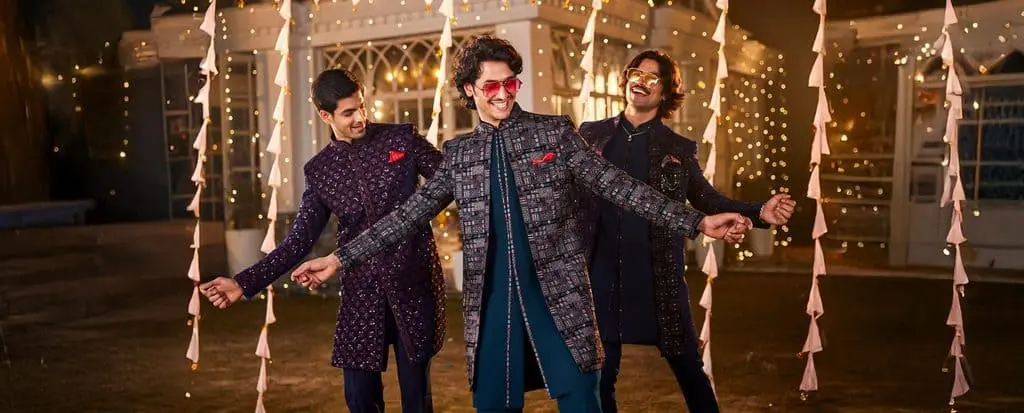
Sherwanis and kurtas are still classics, but the vibe is shifting toward minimal luxury. Heavy embroidery is making way for cleaner silhouettes with subtle, refined detailing. Lightweight sherwanis, structured jackets, and bandhgalas with a modern cut are becoming go-to choices for grooms who want to look sharp without feeling weighed down.
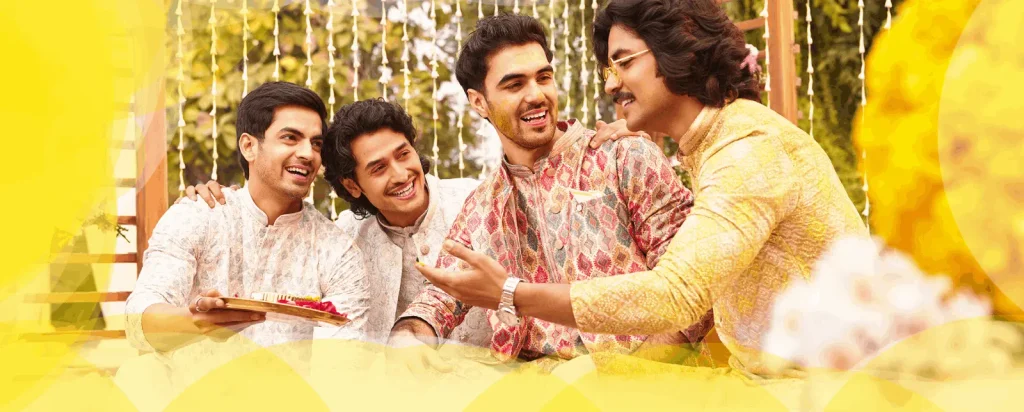
For mehendi and sangeet nights, kurta-pajama sets paired with stylish jackets are winning. They look festive, feel comfortable, and actually let you move—because let’s face it, no one wants to be stiff during the dance-off.
Color-wise, neutrals are dominating. Beige, ivory, cream, olive green, pastel blue, and grey are giving men’s wedding wear a premium, timeless feel that photographs beautifully.
And Indo-Western suits? They’re a hit with younger buyers who want to merge Indian roots with sharp, modern tailoring.
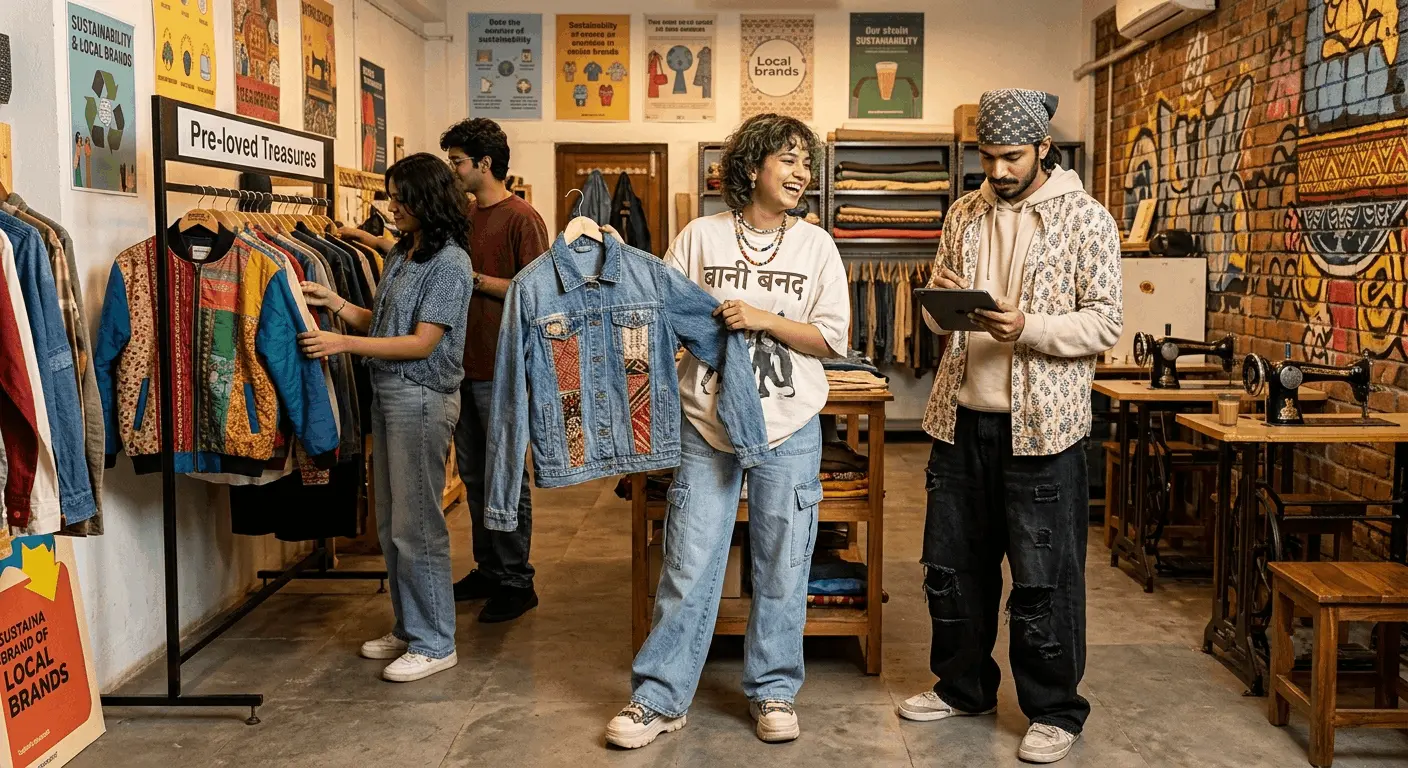
Sustainability Is No Longer a Buzzword—It’s a Choice
Here’s something that genuinely makes me happy: sustainability is finally becoming part of the wedding conversation.
More and more people are thinking beyond just the “look.” They’re asking: Where did this fabric come from? Who made it? Can I wear it again?
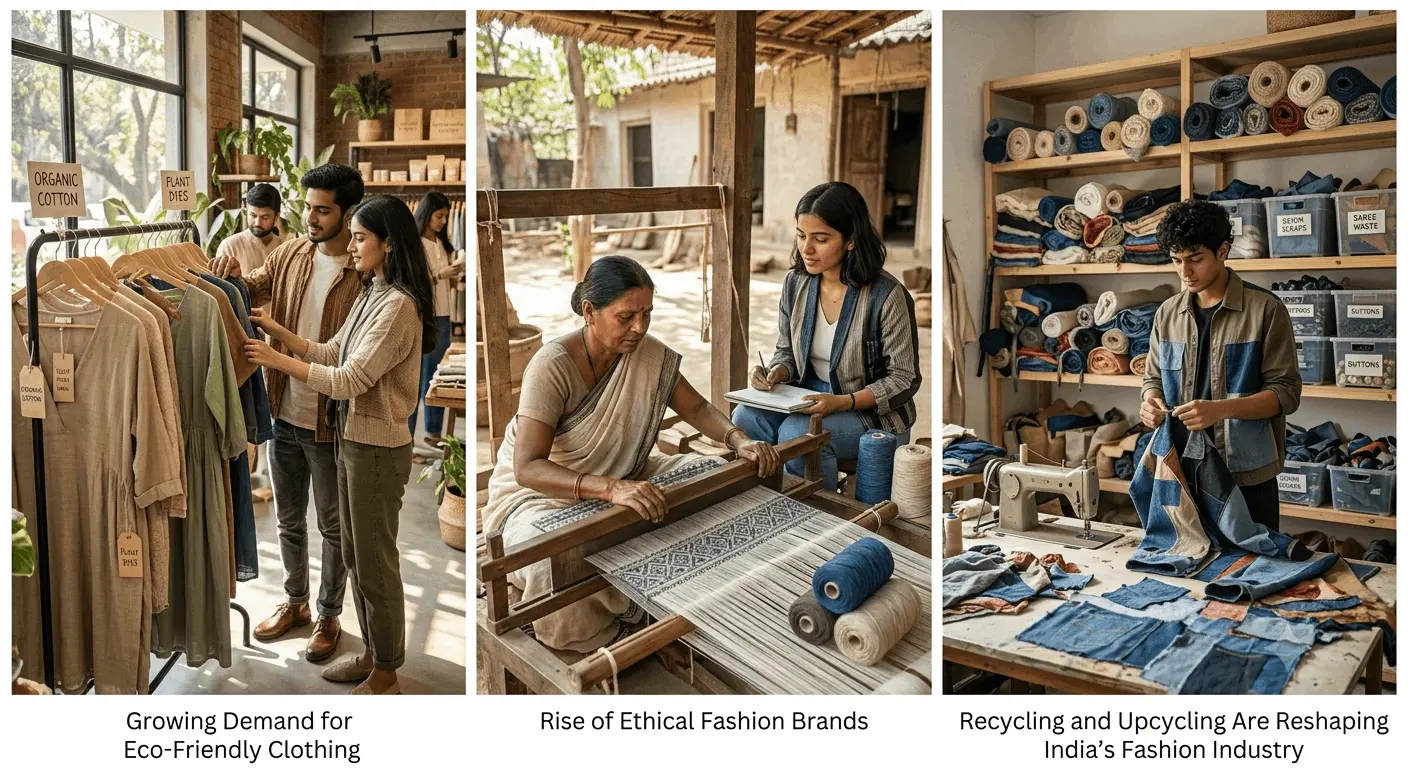
Handmade fabrics, locally produced textiles, and artisan-crafted designs are gaining real attention. There’s a growing appreciation for the skill and time that goes into traditional craftsmanship.
And here’s a trend I absolutely love—wedding outfit rentals. Instead of dropping a fortune on an outfit you might wear once, younger couples are renting designer pieces. It’s affordable, sustainable, and honestly, pretty smart.
Industry analysts believe this shift toward conscious fashion is only going to grow. And honestly? That’s a win for style, for the planet, and for our wallets.
Social Media Is Writing the Rulebook Now
Let’s be real—Instagram and Pinterest have completely changed how we plan our wedding looks.
Celebrity weddings, fashion influencers, designer collaborations—they’re all shaping what millions of consumers are searching for. Couples are curating entire wedding themes around ideas they discovered online. Matching family outfits, coordinated color palettes, personalized fashion concepts—it’s all becoming part of the celebration.
The best part? Social media has democratized access. Even if you’re not in a major fashion hub, you can explore premium collections online, discover new designers, and recreate celebrity-inspired looks in your own way.
Regional Textiles Are Having a Beautiful Revival
Even as modern trends take over, India’s traditional textiles are shining brighter than ever.
Banarasi sarees, Kanjeevaram silk, Chikankari embroidery, mirror-work lehengas—these iconic styles are being rediscovered and reimagined. Designers are blending these age-old techniques with contemporary cuts, creating outfits that feel both timeless and current.
And it’s not just about fashion—it’s about preserving the skills of local artisans and honoring India’s rich textile heritage. That’s something worth celebrating.
A Little Support From the Top
India’s handloom and textile sector is also getting a boost through various government initiatives aimed at promoting traditional crafts and supporting local production. These efforts are helping preserve centuries-old techniques while opening up new opportunities for artisans and small-scale designers.
Industry experts believe that with continued support, Indian wedding fashion could gain even more global recognition—and honestly, it deserves it.
But It’s Not All Easy…
Let’s keep it real—the wedding fashion industry has its share of struggles too.
Rising material costs, shifting consumer preferences, and competition from fast-fashion brands are putting pressure on designers. It’s becoming harder to balance quality, affordability, and sustainability all at once.
Another issue? Imitation products. Original handcrafted pieces take time, skill, and love to create—and cheap knockoffs hurt the very artisans who keep this industry alive.
The Bottom Line: Wedding Fashion Is Getting Personal
So, where does that leave us?
Wedding fashion in India in 2026 is no longer just about looking “grand.” It’s about feeling like you. It’s about outfits that tell your story—your personality, your values, your comfort, your culture.
From pastel lehengas and modern sarees to sophisticated sherwanis and Indo-Western fusion wear, the options are more diverse and more personal than ever.
And with social media inspiring us, sustainability guiding us, and traditional craftsmanship grounding us, Indian wedding fashion is stepping into a beautiful new era—where heritage and innovation walk hand in hand.
Because at the end of the day, the best wedding outfit isn’t the one that gets the most compliments. It’s the one that makes you feel at home in your own skin, even in the middle of a thousand people.


Leave a Reply