

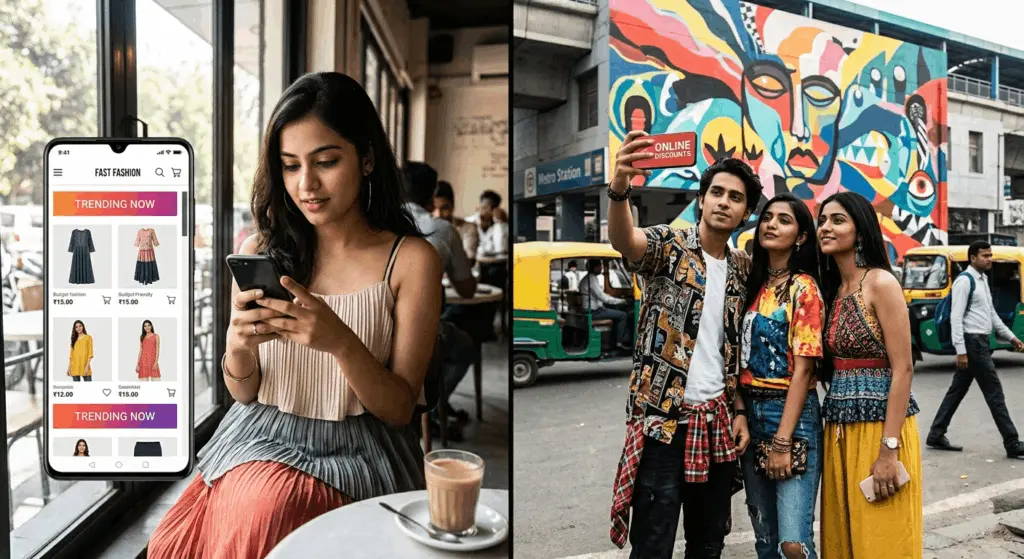
India’s fashion industry is witnessing a significant transformation in 2026. Affordable fashion brands are rapidly becoming the preferred choice among young consumers who want stylish clothing without overspending. Rising living costs, the expansion of online shopping, and the influence of social media have reshaped the way India’s younger generation approaches fashion.
Unlike previous years, where premium international brands dominated consumer aspirations, today’s buyers are more focused on value for money, quality, convenience, and trend-driven collections. Students, young professionals, and first-time earners are increasingly choosing affordable fashion labels that offer modern designs at accessible prices.
Industry experts believe this trend is not merely a short-term shift but a long-term evolution of India’s retail and apparel market. Homegrown brands, e-commerce platforms, and digital-first marketing strategies have played a crucial role in making fashionable clothing available across metropolitan cities as well as Tier-2 and Tier-3 towns.
As consumer preferences continue to evolve, affordable fashion is expected to become one of the strongest growth segments within India’s retail economy.
Why Affordable Fashion Is Becoming Popular Among Indian Youth
Several economic and social factors are contributing to the growing demand for affordable fashion across India.
One of the biggest reasons is the rising cost of living. Expenses related to education, transportation, housing, and entertainment have increased steadily over the past few years. As a result, young consumers are becoming more conscious about their spending habits.
Instead of purchasing expensive branded clothing occasionally, many consumers now prefer buying multiple fashionable outfits at reasonable prices. This allows them to experiment with different styles while staying within their monthly budget.
Fashion is no longer viewed only as a necessity—it has become an important part of personal identity, especially among Generation Z and Millennials. Young buyers actively follow seasonal trends, celebrity fashion, and influencer recommendations, creating a continuous demand for fresh collections.
Affordable fashion brands have successfully positioned themselves to meet these changing expectations by offering stylish clothing inspired by global trends without premium pricing.
Related Posts
- Indian Ethnic Wear Making Global Comeback in 2026: How Indian Designers Are Redefining Global Fashion
- Women Entrepreneurs in Hyderabad – Inspiring Local Businesses Changing the City in 2026
Changing Consumer Behaviour in 2026
Consumer behaviour in India’s fashion market has changed dramatically over the past decade.
Today’s buyers are more informed than ever before. Before making a purchase, they compare prices, read customer reviews, watch product videos, and evaluate quality across multiple platforms.
Young consumers also prioritize convenience. They prefer brands that offer:
- Easy online ordering
- Multiple payment options
- Quick delivery
- Hassle-free returns
- Regular discounts
- Loyalty rewards
These factors have significantly influenced purchasing decisions.
Unlike previous generations that valued long-lasting wardrobes with fewer garments, today’s shoppers prefer refreshing their wardrobe more frequently. Affordable fashion enables them to adopt new trends without making large financial commitments.
This behavioural shift has encouraged brands to launch new collections more frequently throughout the year instead of relying only on traditional seasonal fashion cycles.
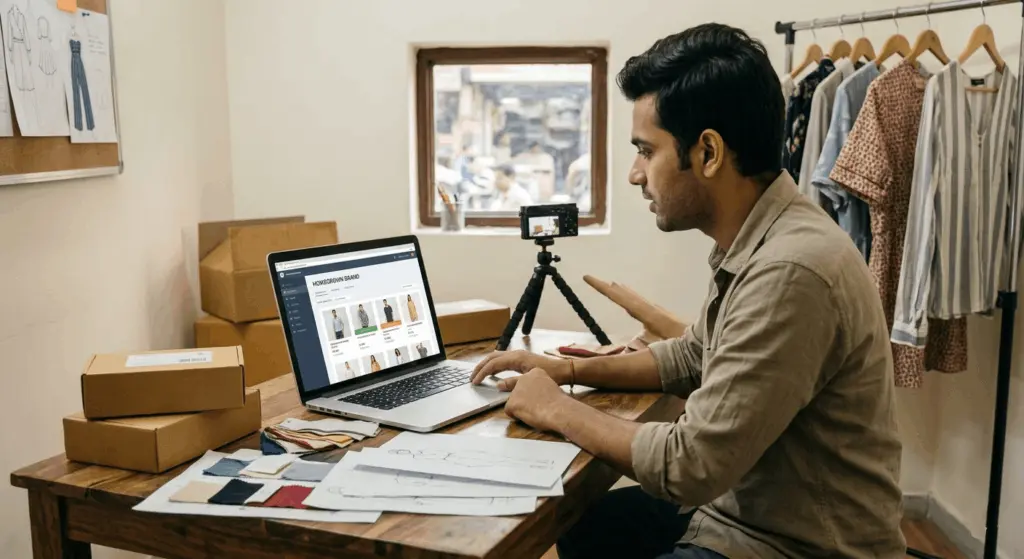
The Role of Online Shopping in Affordable Fashion Growth
The rapid growth of e-commerce has become one of the biggest drivers behind India’s affordable fashion revolution.
Online marketplaces have completely transformed how consumers discover and purchase clothing.
Major fashion retailers now offer thousands of products through websites and mobile applications, allowing customers to browse collections anytime from anywhere.
Features such as:
- Product recommendations
- Customer ratings
- Size guides
- Virtual try-on technology
- Flash sales
- Exclusive online discounts
have made online shopping more attractive than traditional retail stores.
Consumers no longer need to visit multiple stores to compare prices. Instead, they can evaluate dozens of brands within minutes using their smartphones.
The increasing availability of UPI payments, digital wallets, and Buy Now Pay Later (BNPL) services has further simplified online fashion purchases.
Industry analysts estimate that digital channels now account for a substantial share of apparel sales among India’s younger population.
Social Media Is Influencing Fashion Decisions
Fashion trends today spread faster than ever because of social media.
Platforms like Instagram, YouTube, Pinterest, and short-video applications have become powerful marketing channels for fashion brands.
Influencers, fashion bloggers, lifestyle creators, and celebrities regularly showcase affordable outfits that quickly become popular among followers.
Many consumers no longer search for clothing through advertisements alone. Instead, they discover brands through:
- Outfit inspiration videos
- Styling tutorials
- Fashion reels
- Product reviews
- Creator collaborations
- Live shopping events
This digital exposure has helped smaller Indian fashion brands compete with established international labels.
Viral fashion trends often lead to increased demand within days, encouraging brands to respond quickly with new collections.
The combination of influencer marketing and affordable pricing has created a highly competitive environment that benefits consumers with greater variety and better value.
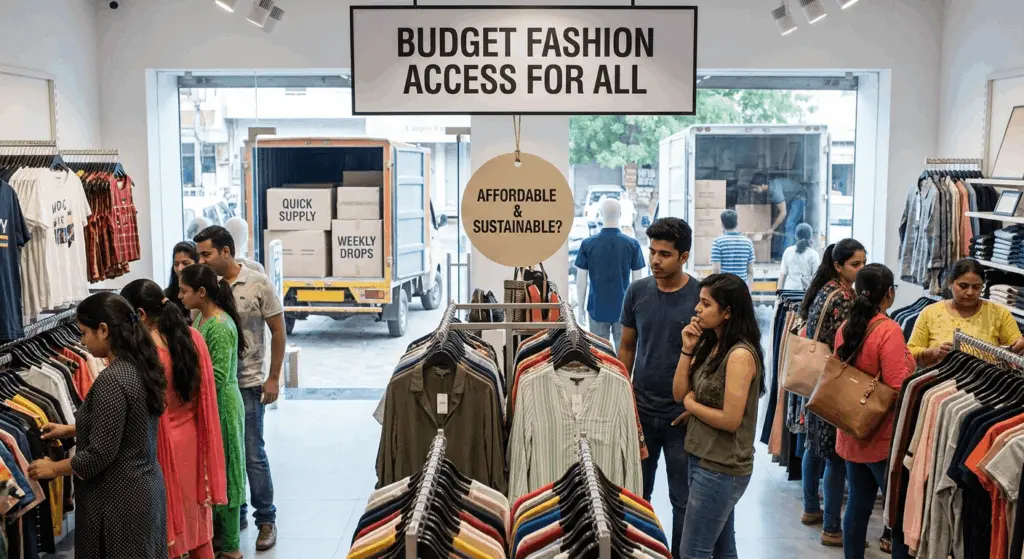
Rise of Homegrown Indian Fashion Brands
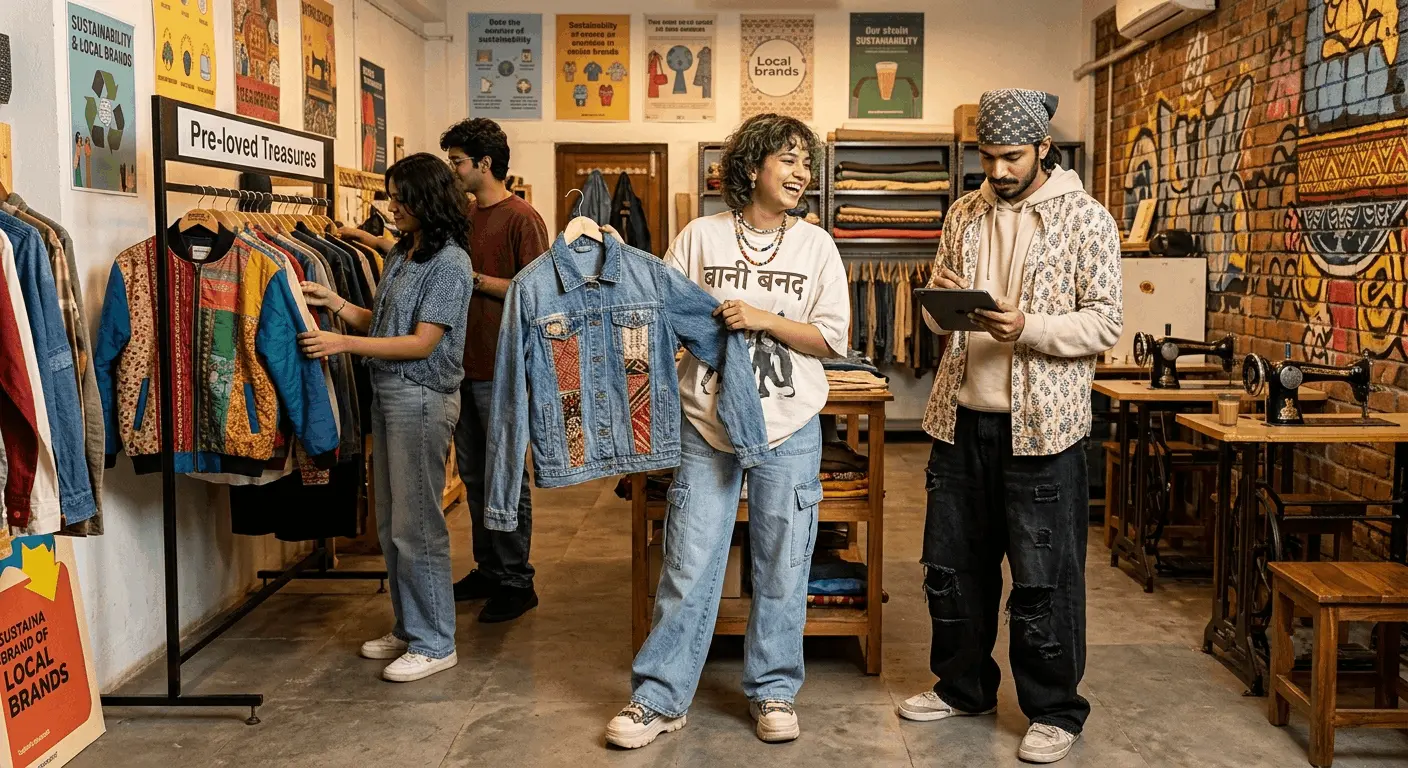
Another major trend shaping India’s fashion industry is the rise of domestic apparel brands.
Indian companies are increasingly developing fashion collections specifically designed for local consumers.
Instead of simply copying international trends, many homegrown brands combine global styling with Indian preferences, climate conditions, and cultural influences.
This localized approach allows them to better understand customer needs while maintaining competitive prices.
Several Indian fashion companies have invested heavily in:
- Local manufacturing
- Efficient supply chains
- Direct-to-consumer business models
- Digital marketing
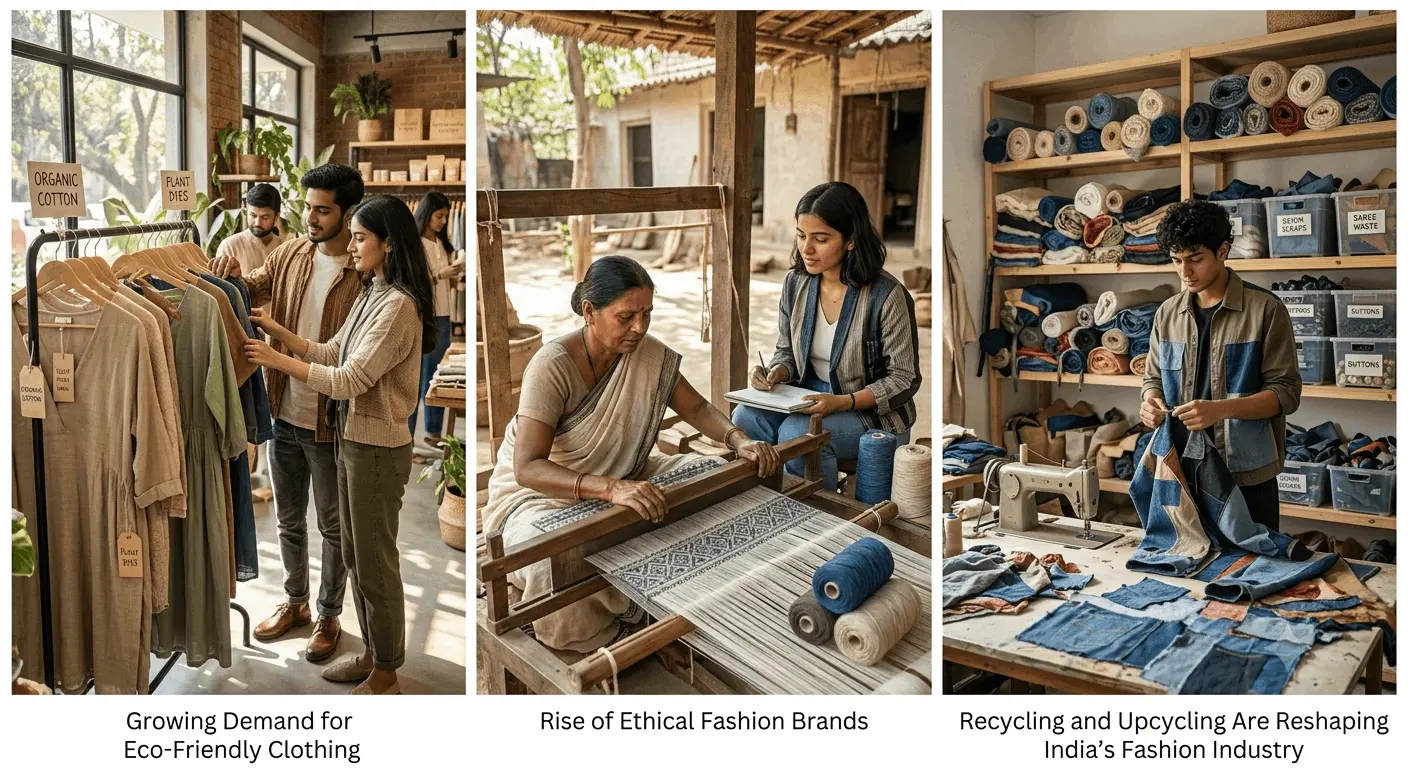
- Sustainable sourcing
These strategies reduce production costs while improving product availability across the country.
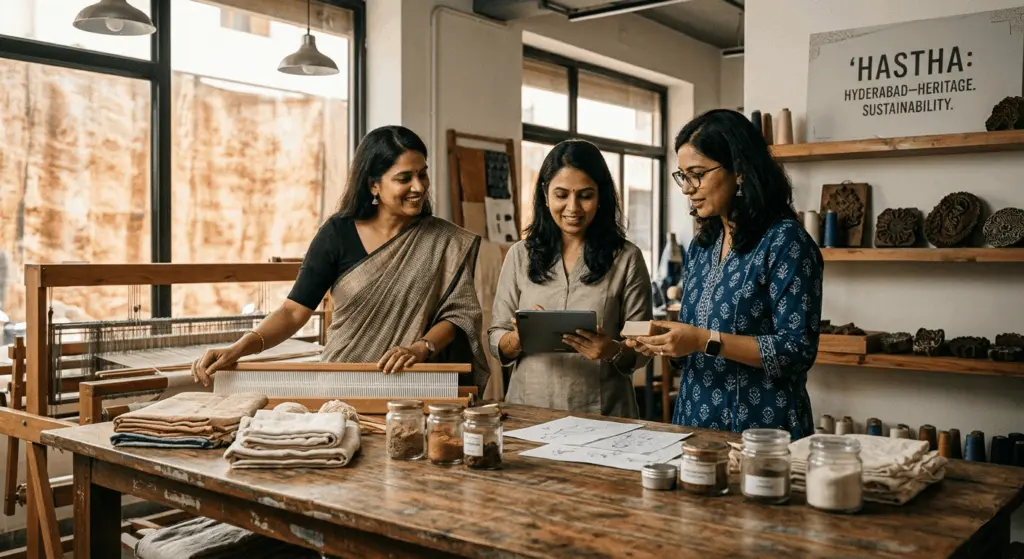
Consumers also appreciate supporting Indian businesses that promote domestic employment and textile manufacturing.
As government initiatives continue encouraging “Make in India” manufacturing, homegrown fashion brands are expected to strengthen their market position even further.

Leave a Reply