

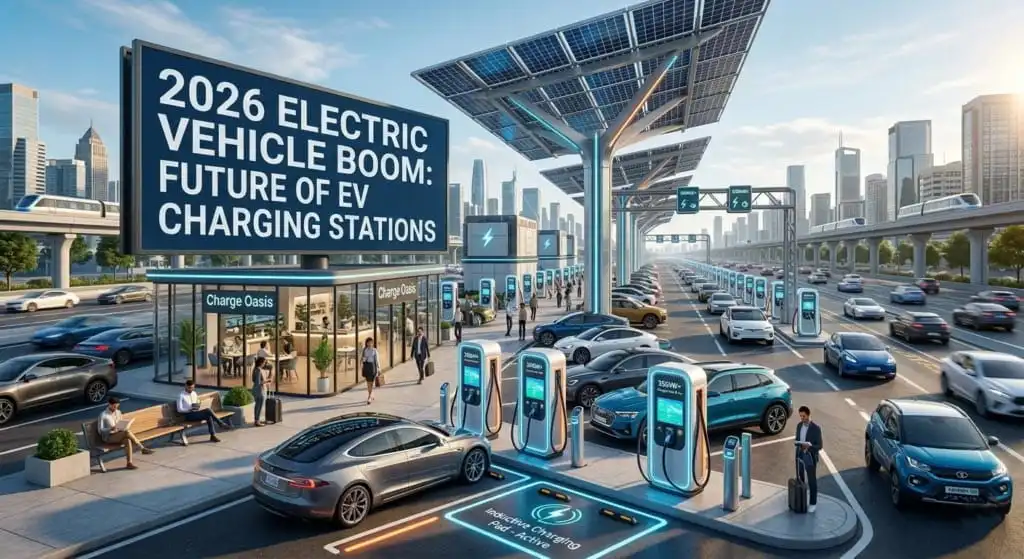
Electric Vehicle Boom in 2026: Global EV Growth and the Future of Charging Infrastructure
Introduction
The global automotive industry is undergoing a major transformation as electric vehicles move from a niche market to a mainstream mobility solution. In 2026, the electric vehicle (EV) sector is witnessing rapid expansion, with global EV sales reaching record levels.
Industry data indicates that electric vehicles now account for more than 25% of all new car registrations worldwide, reflecting the accelerating shift toward cleaner transportation technologies.
Global EV Sales Growth in 2026
According to market estimates, global EV sales are expected to exceed 25 million units in 2026, representing approximately 25% growth compared to 2025, when about 20 million electric vehicles were sold worldwide.
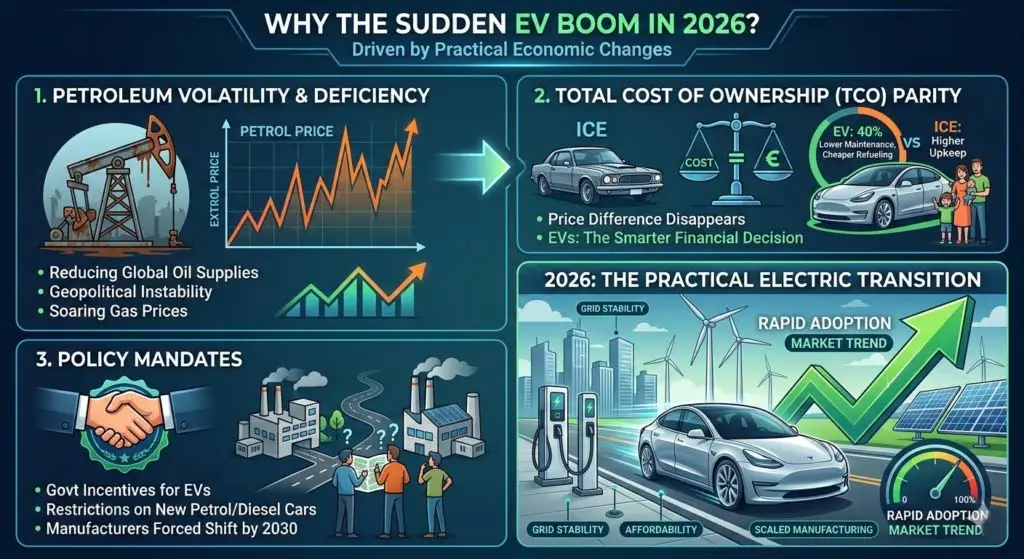
This rapid adoption signals a major structural shift in the global automotive industry as consumers, manufacturers, and governments increasingly support electric mobility.
Key Factors Driving the EV Boom
Rising Energy Costs and Oil Market Volatility
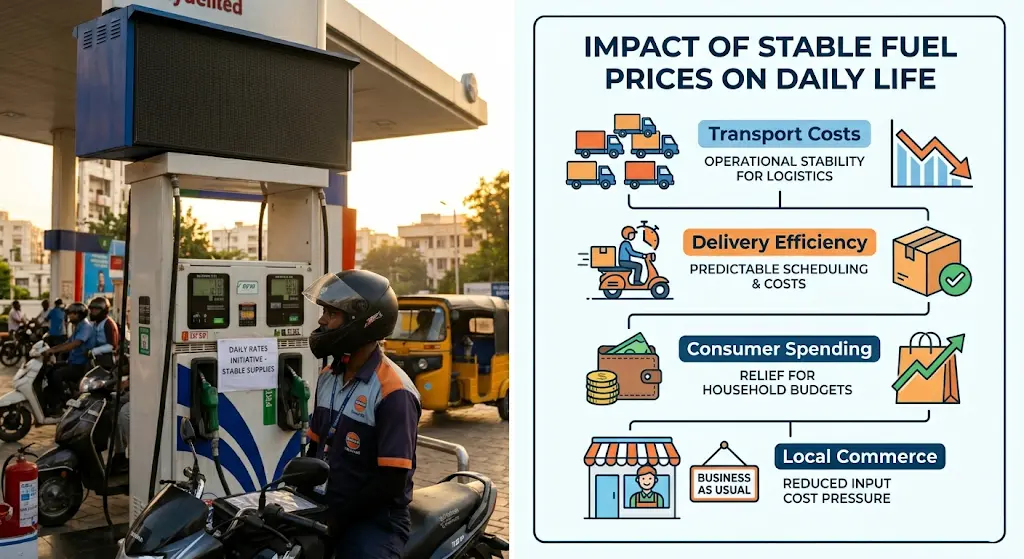
Fluctuations in global oil supply and geopolitical tensions have contributed to higher fuel prices in many regions. As a result, many consumers are turning toward electric vehicles, which offer more stable energy costs through electricity-based charging.
Lower Total Cost of Ownership
The cost gap between internal combustion engine vehicles and electric vehicles has narrowed significantly. Electric vehicles now offer:
- Lower maintenance costs
- Reduced fuel expenses
- Longer operational efficiency
Industry estimates suggest EV maintenance costs are roughly 40% lower compared to conventional petrol or diesel vehicles.
Government Policies and Regulations
Many governments worldwide are encouraging EV adoption through incentives, subsidies, and regulatory mandates.
Several countries have announced plans to phase out the sale of new petrol and diesel vehicles by 2030 or shortly thereafter.
Copper Demand and the EV Supply Chain
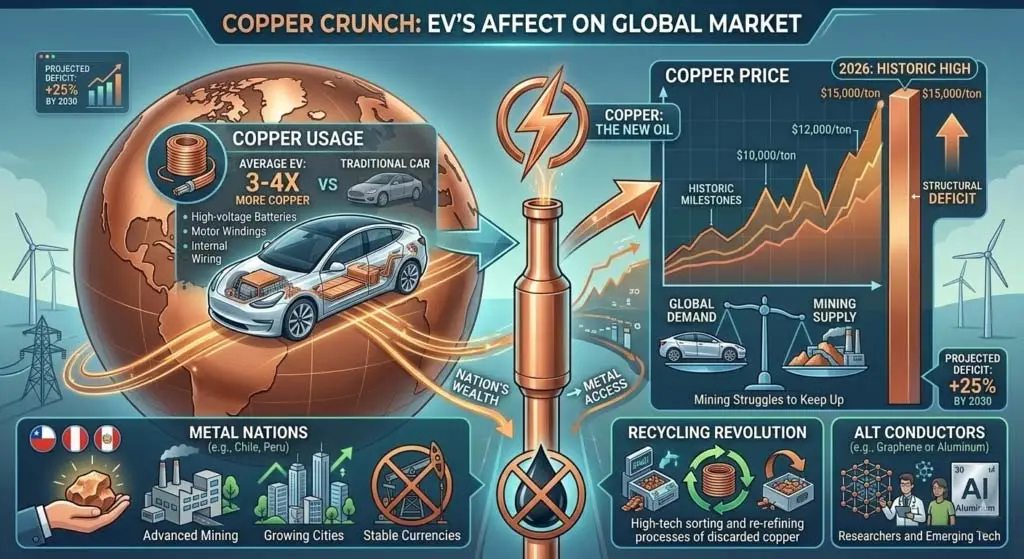
Why Electric Vehicles Use More Copper
The rapid expansion of EV manufacturing has also increased demand for essential raw materials, particularly copper.
An average electric vehicle requires three to four times more copper than a conventional petrol vehicle. Copper is widely used in:
- Battery systems
- Electric motors
- Charging cables
- High-voltage wiring
Impact on Global Commodity Markets
The surge in EV production has significantly influenced the global commodities market. Analysts warn that mining production may struggle to keep up with rising demand.
In 2026, copper prices have reached historically high levels, and experts believe long-term supply shortages could emerge if mining capacity fails to expand quickly enough.
Future of EV Charging Infrastructure
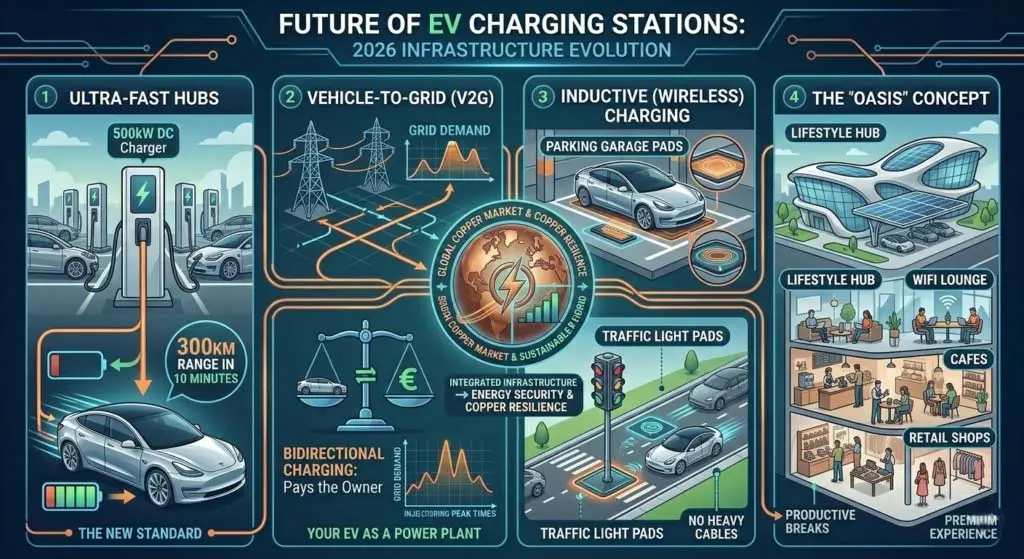
Ultra-Fast Charging Hubs
Charging technology is advancing rapidly, with 500 kW DC fast chargers becoming more common in new EV infrastructure networks.
These high-power chargers can provide approximately 300 kilometres of driving range within 10 minutes, significantly reducing charging time for drivers.
Vehicle-to-Grid (V2G) Technology
Vehicle-to-grid technology enables electric vehicles to send stored energy back to the electricity grid during peak demand periods.
This bidirectional charging capability allows EV owners to potentially earn income by supplying electricity when grid demand is high.
Wireless Charging Solutions
Wireless or inductive charging systems are gradually being introduced in parking areas and urban infrastructure.
These systems allow vehicles to charge automatically without cables, making charging more convenient for drivers.
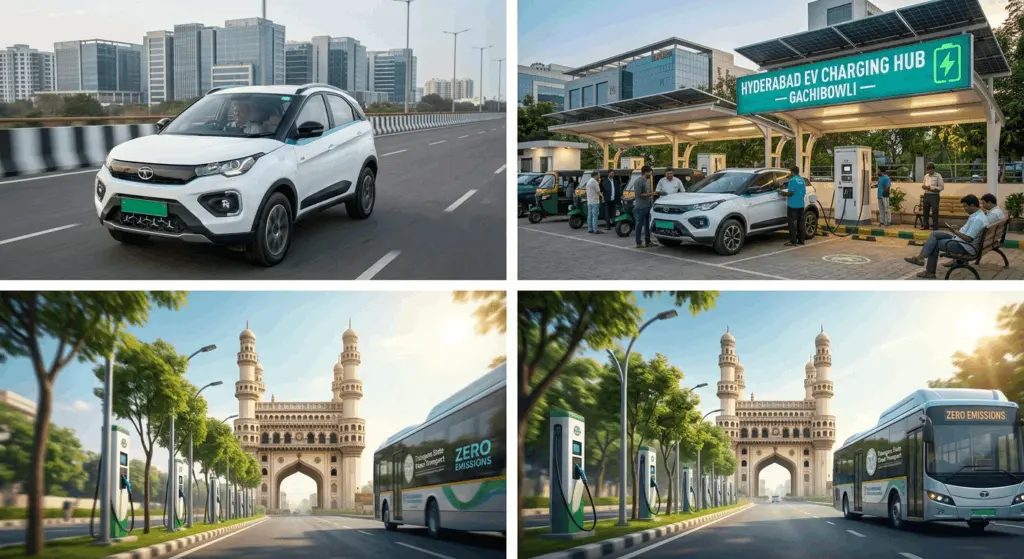
Charging Stations as Mobility Hubs
Modern EV charging stations are evolving beyond simple charging points.
Many new stations are being designed as integrated service hubs offering:
- Wi-Fi lounges
- Cafes
- Retail stores
- Workspaces for commuters
These developments aim to make charging breaks more productive and comfortable for drivers.
Outlook for the Electric Mobility Industry
Industry analysts describe the global EV boom as a multi-trillion-dollar transformation affecting multiple sectors, from mining and energy production to transportation and urban infrastructure.
While EV technology and vehicle production are advancing rapidly, the next major challenge will be ensuring that charging infrastructure expands quickly enough to support the growing number of electric vehicles on the road.
Frequently Asked Questions
How much will global EV sales grow in 2026?
Global EV sales are expected to reach approximately 25.4 million units in 2026, representing around 25% growth compared with 2025.
Why is copper important for electric vehicles?
Electric vehicles require significantly more copper than traditional vehicles because copper is essential for batteries, motors, and electrical wiring systems. The growing demand for EV production has increased global copper consumption.






Leave a Reply