

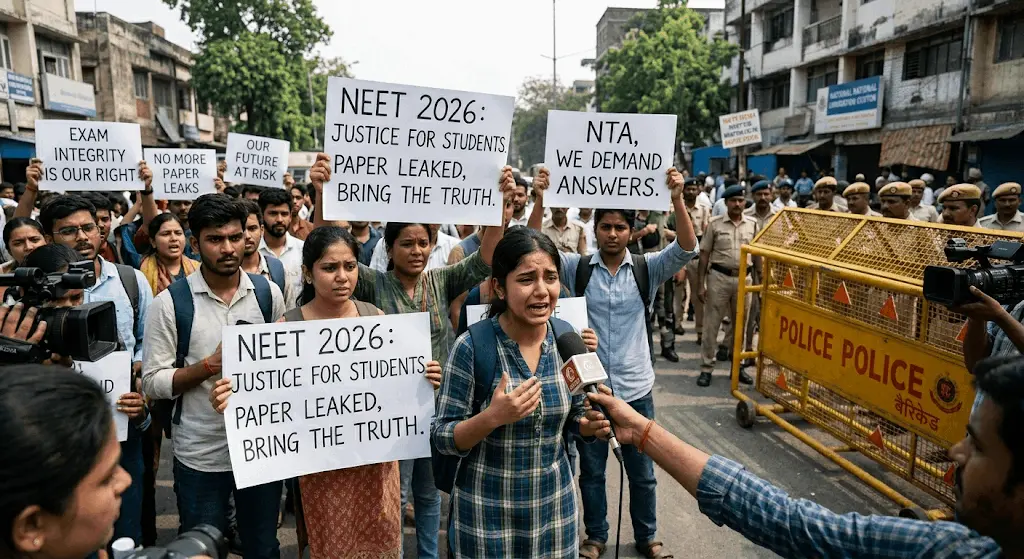
The alleged NEET Exam Paper Leak 2026 has triggered widespread concern across India, raising serious questions about examination security, fairness, and transparency. Students, parents, coaching institutes, and education experts are closely monitoring developments as authorities investigate claims that parts of the question paper may have been circulated before the examination.
As one of India’s largest and most competitive entrance examinations, any controversy surrounding NEET has the potential to affect millions of students and influence public confidence in the education system. While investigations continue, the debate has already sparked discussions about exam reforms, cybersecurity, and student welfare.
What Is the NEET Examination?
The National Eligibility cum Entrance Test (NEET) serves as the primary gateway for admission into MBBS, BDS, AYUSH, and several other medical programs across India.
Every year, lakhs of students compete for a limited number of seats in government and private medical institutions. Due to the intense competition and high stakes involved, the examination is considered one of the most important academic milestones for aspiring doctors.
Students often dedicate years of preparation, making the integrity of the examination process crucial for maintaining trust and fairness.
Related Posts
- Big Update: Central Government Decision to Impact Telangana – Key Changes Explained
- Telangana New Scheme 2026 – Eligibility, Benefits & Application Process Explained
What Allegedly Happened in NEET 2026?
Claims of Question Paper Leakage
Shortly after the examination concluded, reports began circulating on social media alleging that portions of the NEET 2026 question paper had been shared before the official examination time.
Several online posts claimed that specific questions appearing in the exam had already been distributed through private messaging groups and online networks.
Although many of these claims remain unverified, the allegations gained attention rapidly, leading students and parents to demand clarification from authorities.
Social Media Amplified Concerns
Platforms such as X, Telegram, Instagram, and WhatsApp became flooded with screenshots, images, and discussions related to the alleged leak.
The rapid spread of information intensified public concern and increased pressure on authorities to conduct a transparent investigation.
Student Reactions Across India
Anxiety Among Aspirants
The controversy has created significant uncertainty among students who spent months or years preparing for the examination.
Many candidates expressed concern that any unfair advantage gained through leaked material could negatively impact merit-based admissions.
Calls for Transparency
Students in major educational hubs such as Hyderabad, Delhi, Patna, Kota, and Bengaluru actively discussed the issue on educational forums and social media.
A large number of aspirants called for:
- Transparent investigation procedures
- Timely official updates
- Fair evaluation processes
- Protection of deserving candidates
Parents also voiced concerns regarding examination security and the future of the admission process.
Official Response From Authorities
National Testing Agency Statement
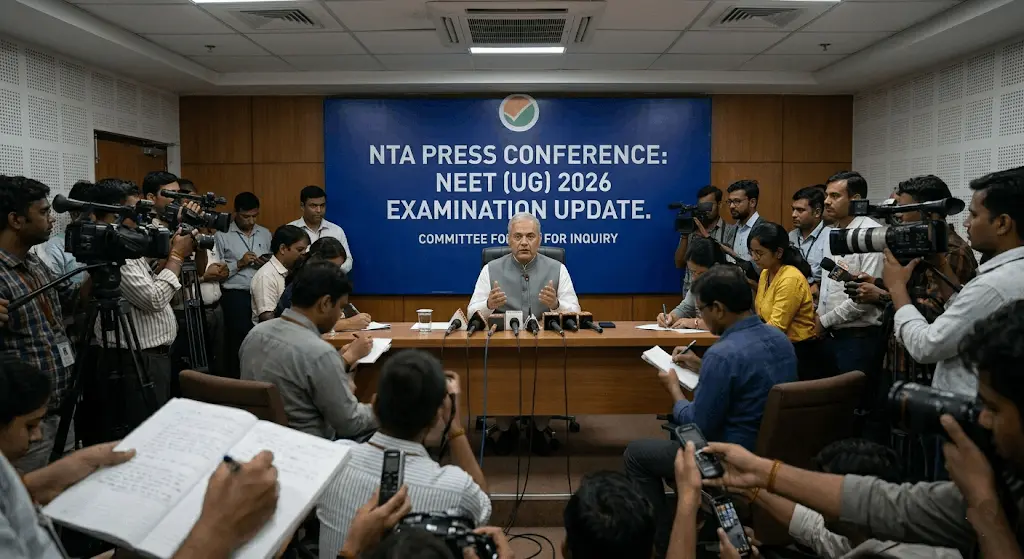
Following the controversy, the National Testing Agency (NTA) stated that comprehensive monitoring systems were deployed throughout the examination process.
Officials emphasized that security protocols included:
- Controlled paper distribution
- Digital surveillance
- Examination center monitoring
- Candidate verification procedures
Verification of Complaints
Authorities confirmed that complaints and allegations were being examined carefully.
The NTA urged students and the public to avoid relying on unverified information circulating online until official findings become available.
Officials also stated that any confirmed malpractice would be investigated according to legal procedures.
Investigation and Examination Security Concerns
Challenges of Conducting Large-Scale Exams
Education experts point out that conducting a nationwide examination involving millions of candidates presents significant logistical challenges.
These challenges include:
- Secure transportation of question papers
- Monitoring thousands of examination centers
- Preventing organized cheating networks
- Ensuring real-time surveillance
Need for Stronger Security Systems
Cybersecurity specialists have highlighted the importance of:
- Encrypted communication systems
- AI-based monitoring tools
- Enhanced digital surveillance
- Faster complaint verification mechanisms
Experts believe technology will play a larger role in protecting future examinations.

Impact on Students and Medical Aspirants
Rising Mental Stress
The uncertainty surrounding the controversy has contributed to increased stress levels among students.
Many candidates are worried about:
- Potential re-examinations
- Delays in admissions
- Ranking uncertainty
- Future academic planning
Coaching Institutes Report Increased Concerns
Coaching centers across India have reported receiving a surge in inquiries from students and parents seeking clarity about the situation.
Education counselors emphasize that prolonged uncertainty can affect student confidence and mental well-being.
Role of Social Media in the Controversy
Social media has played a major role in shaping public discussion around the alleged paper leak.
While some users attempted to share evidence and raise awareness, others circulated unverified information that contributed to confusion.
Education experts recommend that students rely only on official announcements issued by recognized authorities.
The NTA and other agencies have also warned against spreading misinformation that could create unnecessary panic among candidates.
Public and Political Reactions
The issue has attracted attention from political leaders, student organizations, education activists, and civil society groups.
Many stakeholders have demanded:
- Greater accountability
- Stronger examination security
- Transparent investigations
- Strict action against offenders
Public debate has largely focused on preserving the credibility of India’s competitive examination system.
Possible Long-Term Reforms After NEET 2026
The controversy has reignited discussions about modernizing India’s examination infrastructure.
Experts have suggested several reforms:
Technology-Based Solutions
- AI-powered monitoring systems
- Advanced cybersecurity frameworks
- Digital tracking of examination materials
- Real-time risk detection tools
Administrative Improvements
- Faster complaint handling
- Enhanced center-level audits
- Better staff verification systems
- Stronger inter-agency coordination
Future Examination Models
Some experts believe that digital assessment systems could reduce risks associated with traditional paper-based examinations in the future.
What Happens Next?
Authorities are expected to continue reviewing complaints and analyzing available evidence related to the alleged leak.
Future decisions may depend on:
- Investigation findings
- Verification of claims
- Legal proceedings
- Recommendations from examination authorities
Students are advised to follow only official updates and avoid relying on rumors circulating online.
Conclusion
The NEET Exam Paper Leak 2026 controversy has once again placed examination security and transparency under national scrutiny. While investigations continue, the incident has highlighted broader concerns regarding fairness, trust, and accountability within India’s competitive examination system.
For millions of aspiring medical students, maintaining the integrity of entrance examinations remains critical. Whether through stronger cybersecurity measures, advanced monitoring technologies, or administrative reforms, authorities will likely face increasing pressure to strengthen examination security and restore public confidence in the years ahead.





Leave a Reply