

India’s startup ecosystem continues to evolve in 2026, strengthening its position as one of the world’s most dynamic innovation hubs. Despite global economic uncertainty and changing investment patterns, entrepreneurs across the country are launching new ventures, attracting capital, and building technology-driven businesses.
Cities such as Bengaluru, Hyderabad, Mumbai, Delhi-NCR, Chennai, and Pune remain major startup centres. At the same time, smaller cities are producing a new generation of founders, supported by improved digital infrastructure and greater access to technology.
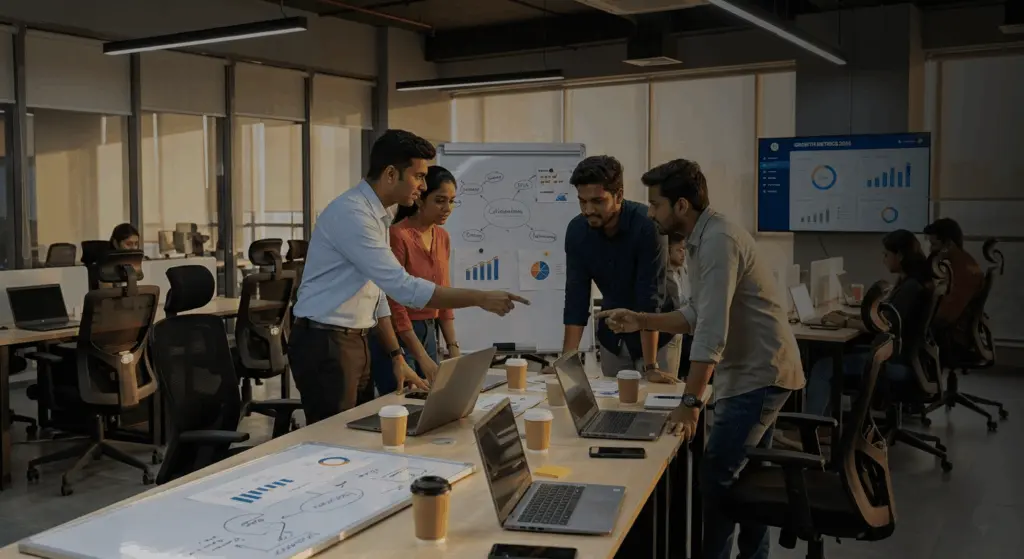
Why India’s Startup Ecosystem Is Growing
Several factors are contributing to India’s startup expansion.
Digital Infrastructure
Affordable internet access and widespread smartphone usage have created a large digital consumer base. Businesses can now reach customers across urban and rural markets.
Growing Entrepreneurial Culture
Young professionals are increasingly choosing entrepreneurship as a career path. Universities, incubators, and private accelerators are helping founders transform ideas into businesses.
Government Support
Initiatives encouraging innovation, digital transformation, and startup development have helped create a more favourable business environment.
Investor Interest
Investors are increasingly focusing on startups with sustainable business models, clear revenue generation, and long-term growth potential.
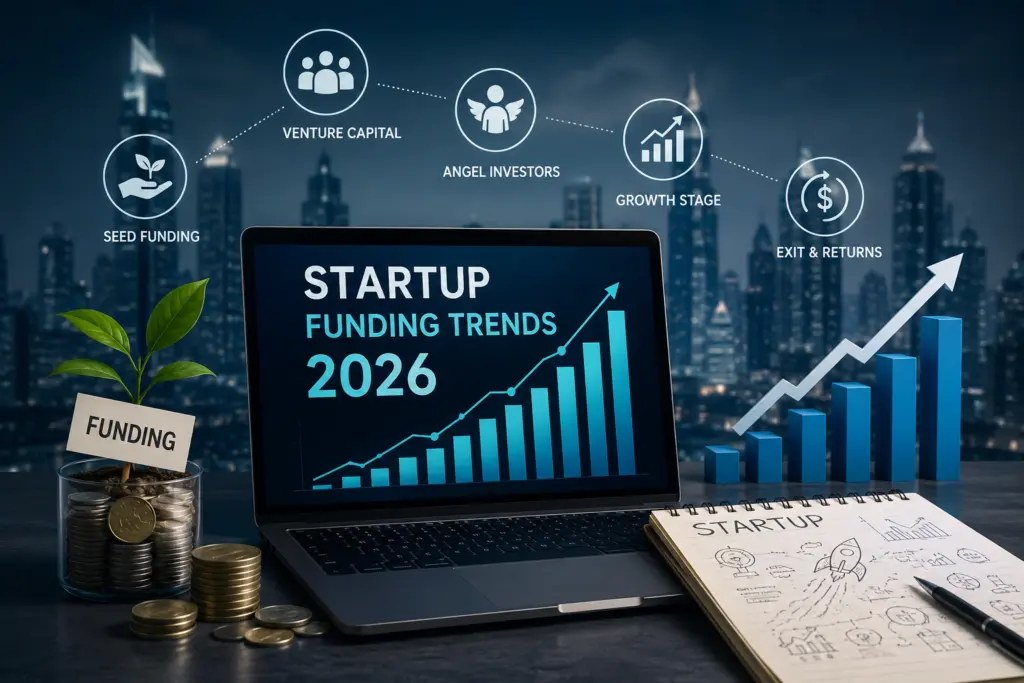
Startup Funding Trends in 2026
Funding activity remains an important driver of startup growth.
Early-Stage Investments
Angel investors and seed funds continue to support innovative startups across sectors, particularly those solving real-world problems.
Quality Over Quantity
Industry observers note that investors are placing greater emphasis on profitability and sustainable growth rather than rapid expansion without clear financial fundamentals.
Sector-Focused Investments
Investment interest remains strong in:
Artificial Intelligence
AI startups are building automation tools, enterprise software, healthcare solutions, and data analytics platforms.
Fintech
Digital payments, lending technology, wealth management, and financial inclusion remain active investment areas.
Healthtech
Technology-driven healthcare platforms are improving diagnostics, telemedicine, and patient management.
EdTech
Education technology companies continue developing personalised learning and skill-development platforms.
E-commerce
Businesses are expanding beyond metropolitan markets into Tier-2 and Tier-3 cities.
Technology Driving Innovation
Technology remains the backbone of India’s startup ecosystem.
Artificial Intelligence
AI helps businesses automate operations, improve customer experiences, and analyse large datasets.
Cloud Computing
Cloud technology enables startups to scale operations efficiently without large infrastructure costs.
Blockchain
Several startups are exploring blockchain applications for supply chain management, finance, and digital security.
Data Analytics
Businesses increasingly rely on data-driven insights for strategic decision-making.
Government Policies Supporting Startups
Public policy continues to support entrepreneurship.
Startup Support Programs
Government-backed initiatives provide mentorship, networking opportunities, and ecosystem support.
Digital Transformation
Digital governance and online business services simplify many administrative processes.
Incubation and Innovation
Partnerships between educational institutions, private investors, and industry bodies encourage startup development.
Impact on India’s Economy
Startup growth benefits the broader economy in multiple ways.
Employment Generation
New businesses create opportunities for engineers, designers, marketers, developers, and management professionals.
Innovation
Competition encourages better products and improved services for consumers.
Regional Development
Startup activity is spreading to smaller cities, supporting local economies and entrepreneurship.
Digital Inclusion
Technology solutions help improve access to financial services, healthcare, education, and commerce.
Challenges Facing Indian Startups
Growth opportunities exist alongside significant challenges.
Funding Competition
Securing investment becomes increasingly difficult as markets mature.
Talent Acquisition
Finding and retaining skilled professionals remains a major concern.
Regulatory Complexity
Compliance requirements can create operational challenges for growing businesses.
Global Economic Conditions
International market fluctuations can affect investment sentiment and business expansion.
Emerging Opportunities
Experts believe several sectors could drive future growth.
Deep Tech
Advanced technologies may become major investment areas.
Clean Energy
Renewable energy and sustainability-focused startups are attracting attention.
Agritech
Technology solutions for agriculture continue to evolve.
Climate Technology
Businesses addressing environmental challenges could see increased demand.
What Happens Next?
Industry analysts believe India’s startup ecosystem will continue expanding through innovation, technology adoption, and entrepreneurship.
Future growth may depend on:
- Continued digital transformation.
- Investment in research and development.
- Skilled workforce development.
- Sustainable business models.
- Collaboration between startups, investors, and policymakers.
Conclusion
India’s startup ecosystem in 2026 reflects a maturing innovation economy. Entrepreneurs are building businesses across AI, fintech, healthtech, edtech, e-commerce, and emerging technologies while attracting investor interest and creating employment opportunities.
Although challenges such as funding competition and talent shortages remain, India’s combination of technology adoption, entrepreneurial culture, and supportive ecosystem positions the country for continued startup growth. Long-term success will depend not only on raising capital but also on building sustainable, scalable, and innovative businesses capable of competing in global markets.
Frequently Asked Questions
Is India’s startup ecosystem growing in 2026?
Yes, industry trends indicate continued expansion across multiple sectors, supported by technology adoption and entrepreneurship.
Which sectors are attracting startup investment?
AI, fintech, healthtech, edtech, e-commerce, deep tech, and clean energy are among the major growth areas.
What are the biggest challenges for startups?
Funding competition, talent acquisition, regulatory requirements, and changing economic conditions.
Why is India considered a major startup hub?
Its large digital market, skilled workforce, improving infrastructure, and active entrepreneurial ecosystem contribute to startup growth.





Leave a Reply