

Table of contents
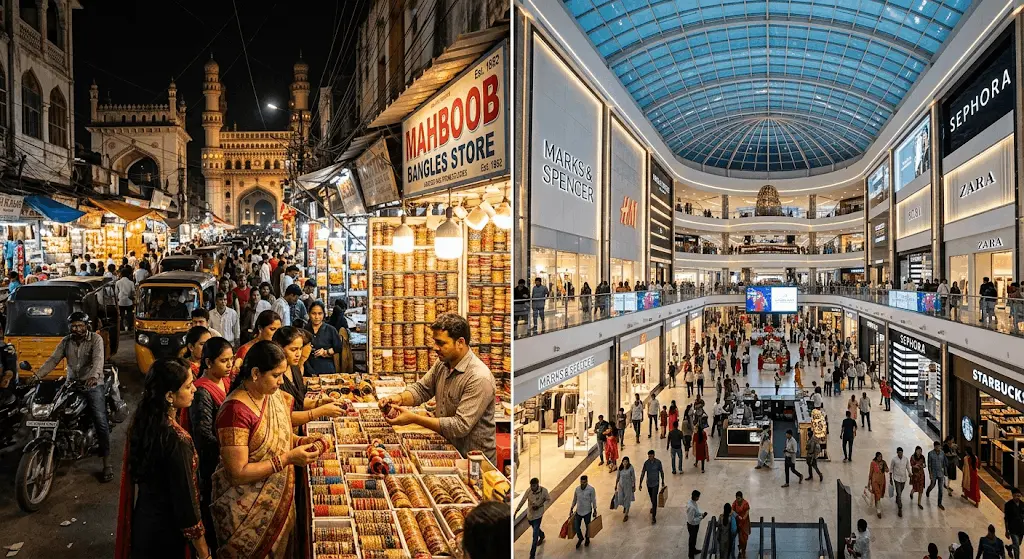
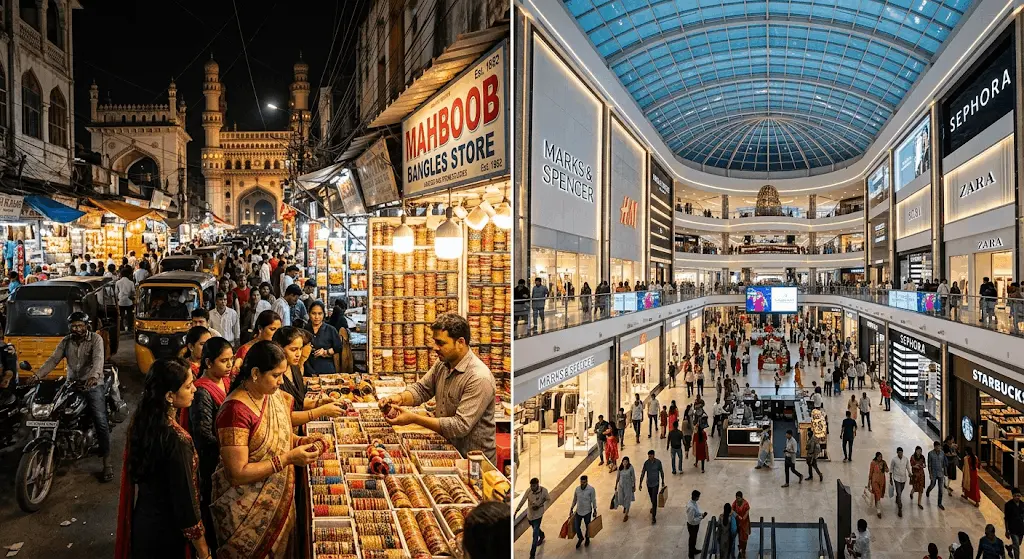
Hyderabad is a city where two shopping worlds exist side by side.
On one side, there are centuries-old bazaars where bargaining is an art, craftsmanship is personal, and shopping feels deeply cultural.
On the other side, modern malls offer digital convenience, global brands, entertainment zones, and climate-controlled luxury.
In 2026, Hyderabad is not choosing one over the other—it is embracing both.
From the historic lanes of Laad Bazaar near Charminar to mega retail destinations like Sarath City Capital Mall and the newly launched Lakeshore Mall, the city’s retail landscape reflects its identity: a perfect mix of heritage and modernity.
But which shopping experience truly wins?
Let’s break it down.
Traditional Hyderabad – Why Laad Bazaar Still Rules
A 400-Year Legacy of Shopping
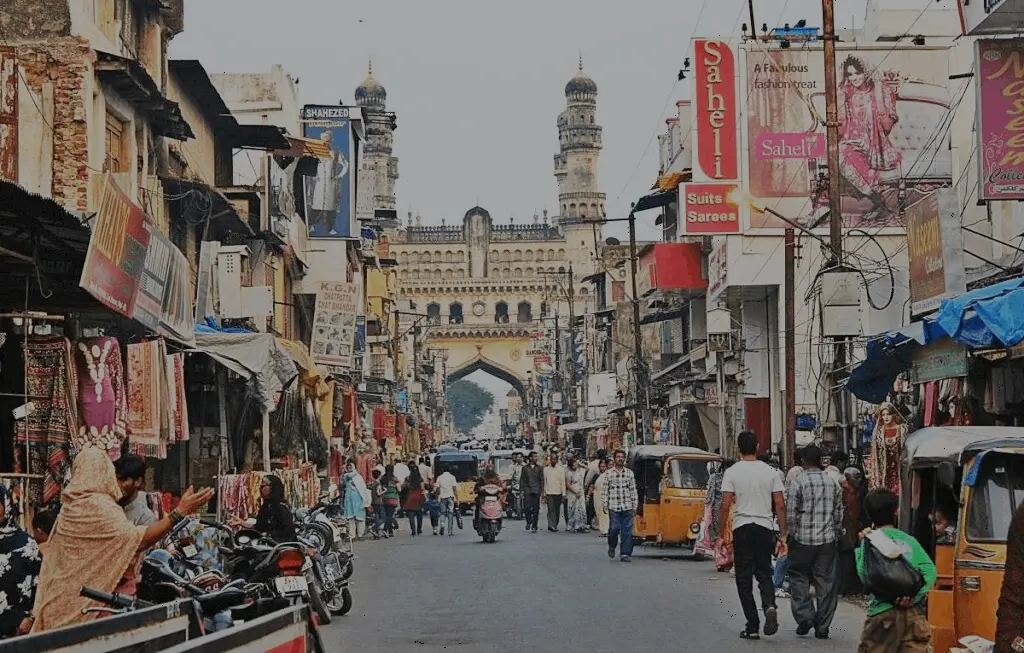
Located near the iconic Charminar, Laad Bazaar, also known as Choodi Bazaar, remains one of Hyderabad’s most famous traditional markets.
Its history dates back to the Qutb Shahi era.
For generations, this market has served as the city’s cultural and commercial heart.
Even in 2026, thousands of shoppers visit daily.
Related Posts
- Best 5 Places to Visit for Less Than ₹500 Near Charminar
- Hyderabad Ramzan Markets 2026: Best Areas, Timings, Food & Safety Guidelines
Famous for Lac Bangles
The biggest identity of Laad Bazaar is its lacquer bangles.
These handcrafted bangles are made using:
- natural resin (laad)
- decorative stones
- mirrors
- hand-finishing techniques
Unlike factory-made accessories, each piece tells a story.
Many families running these stores have been doing this for four or five generations.
That gives authenticity money cannot buy.
The “Gaadi” Shopping Culture
Shopping here is personal.
Instead of standing at counters, customers often sit on traditional cushions called gaadi.
The shopkeeper unfolds dozens of designs while telling stories behind the products.
This is not transactional shopping.
It is relationship-based commerce.
Bargaining Is Part of the Experience
In Laad Bazaar:
Price tags are suggestions—not rules.
Negotiation is expected.
For many visitors, bargaining becomes part of the fun.
That human interaction is something modern malls cannot replicate.
Rise of Modern Hyderabad – The Mall Revolution
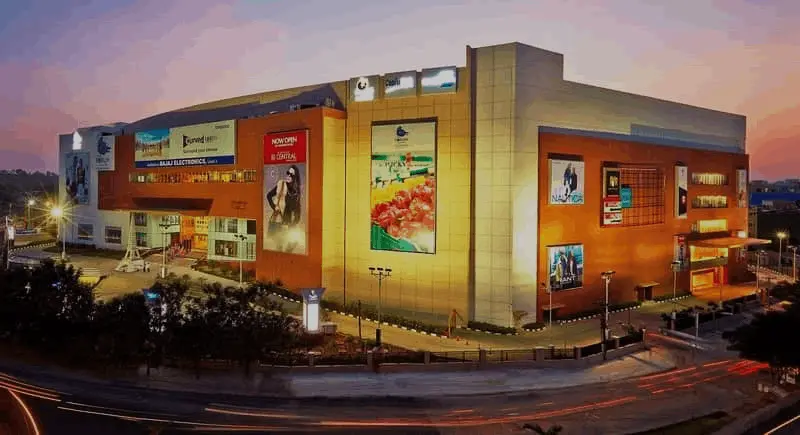
Hyderabad has rapidly become one of India’s strongest mall markets.
With the launch of Lakeshore Mall and continued growth of Sarath City Capital Mall, the city is now competing nationally in organized retail.
Shopping Has Become Entertainment
Today’s malls are no longer just retail centers.
They include:
- multiplex cinemas
- gaming zones
- family entertainment centers
- fine dining
- premium cafés
People now spend entire weekends inside malls.
It is no longer “shopping.”
It is an experience economy.
Digital-First Shopping
Modern malls are powered by technology.
In 2026, many Hyderabad malls offer:
- app-based parking
- digital loyalty programs
- UPI self-checkout
- smart maps
- AR trial rooms
Consumers now expect speed and convenience.
Malls deliver that efficiently.
Access to Global Brands
Unlike traditional markets, malls provide:
- national brands
- luxury labels
- international chains
- standardized pricing
This attracts young professionals and affluent shoppers.
Predictability is a major advantage.
Laad Bazaar vs Modern Malls – Direct Comparison
1. Experience
Laad Bazaar
- emotional
- cultural
- vibrant
- sensory overload
Modern Mall
- polished
- controlled
- luxurious
- predictable
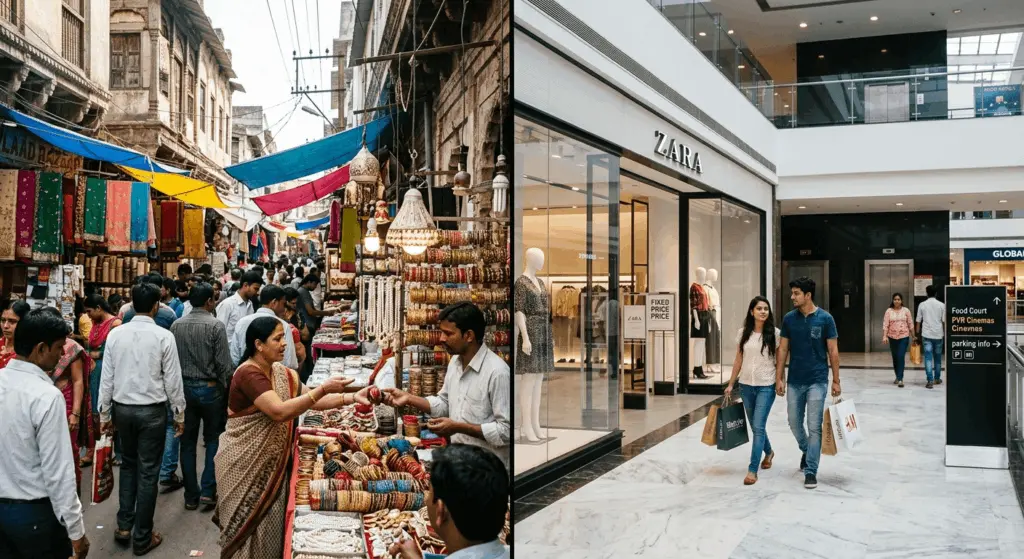
Winner: Depends on what you want.
2. Product Type
Laad Bazaar
Best for:
- bangles
- pearls
- bridal wear
- handcrafted goods
Modern Mall
Best for:
- branded fashion
- electronics
- premium cosmetics
- lifestyle shopping
Winner: Product dependent.
3. Pricing
Laad Bazaar
- flexible
- negotiable
- better value possible
Mall
- fixed pricing
- premium markup
- transparent billing
Winner: Bazaar for savings.
4. Comfort
Laad Bazaar
- crowded
- outdoor heat
- difficult parking
Mall
- AC comfort
- parking
- elevators
- accessibility
Winner: Mall.
Why Both Models Are Thriving in Hyderabad
Many cities see old markets decline after mall expansion.
Hyderabad is different.
Why?
Because the city serves multiple consumer segments.
Old City shoppers want:
- tradition
- authenticity
- heritage
New City shoppers want:
- comfort
- speed
- branded choices
This dual demand allows both ecosystems to thrive.
That is Hyderabad’s retail advantage.
Economic Impact of Both Retail Systems
Traditional markets support:
- small family businesses
- artisans
- local manufacturing
- tourism
Modern malls support:
- employment
- tax revenue
- organized retail
- infrastructure growth
Together, they strengthen Hyderabad’s economy.
Future of Hyderabad Retail in 2026 and Beyond
Experts predict hybrid retail will dominate.
Expected trends:
Traditional markets going digital
More bazaar sellers are using:
- WhatsApp orders
- Instagram selling
- UPI payments
Malls becoming lifestyle hubs
Less retail.
More:
- dining
- events
- entertainment
Experience-led shopping
Consumers want memories—not just products.
That benefits both malls and bazaars.
Conclusion
Hyderabad does not force shoppers to choose between history and modernity.
It gives both.
If you want:
- heritage
- bargaining
- authentic Hyderabad
Choose Laad Bazaar.
If you want:
- convenience
- luxury
- branded shopping
Choose a modern mall.
That is what makes Hyderabad unique.
The city’s retail revolution is not replacing the past.
It is building on it.


Leave a Reply