

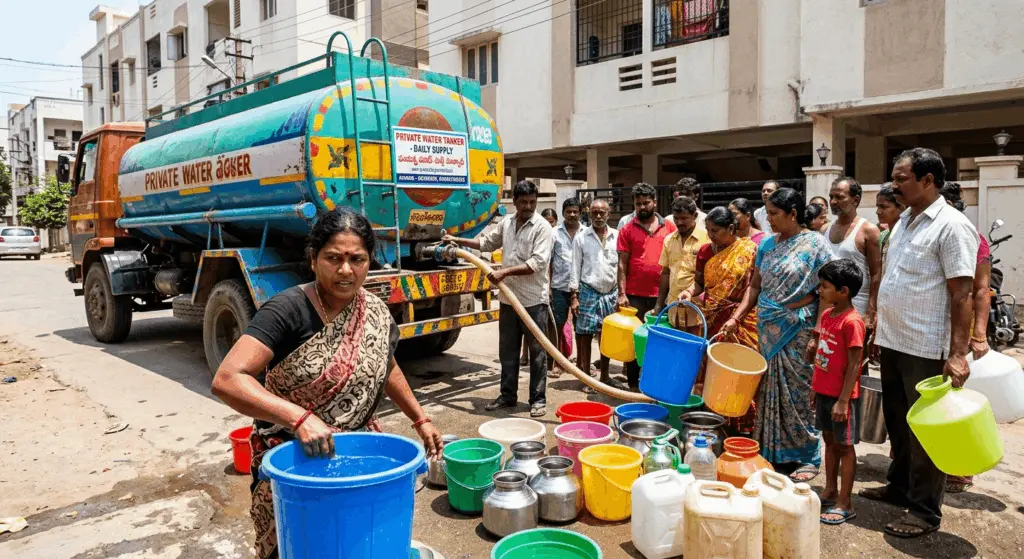
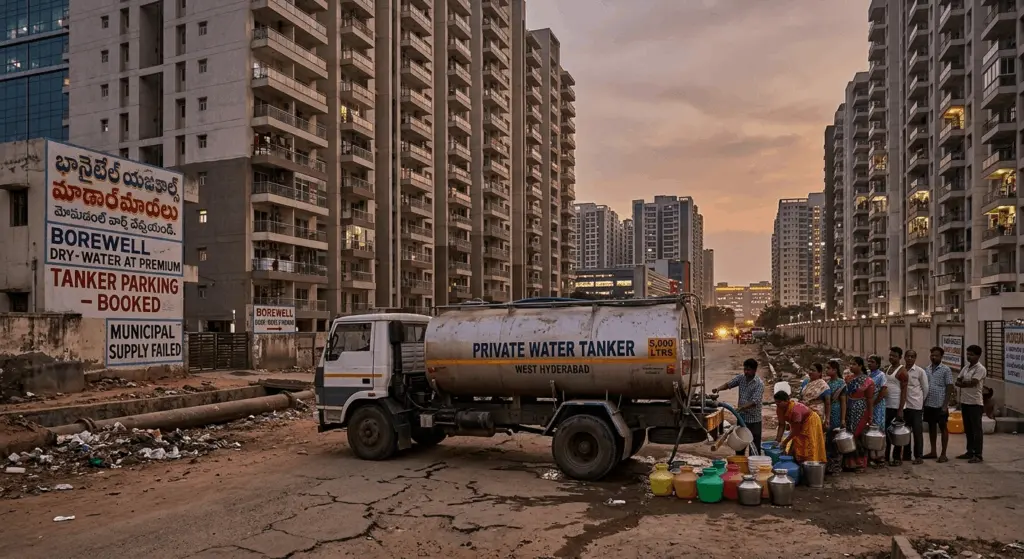
Hyderabad is facing an increasing water supply challenge as several residential areas report irregular municipal water distribution, forcing thousands of households to depend on private water tankers for their daily needs. With summer temperatures rising and groundwater levels declining, the demand for tanker water has surged across many parts of the city.
Residents from areas including Miyapur, Kukatpally, Gachibowli, LB Nagar, Nizampet, Bachupally, Manikonda and surrounding localities say that municipal water supply has become inconsistent in recent weeks. Housing societies are now spending significantly more on purchasing private tanker water to ensure uninterrupted access for drinking, cooking, sanitation and other household activities.
Experts believe the current situation reflects a combination of seasonal demand, rapid urban expansion, groundwater depletion, infrastructure constraints and increasing pressure on Hyderabad’s water distribution network.
Hyderabad Residents Depend More on Private Water Tankers
As municipal water supply becomes irregular, private water tankers have emerged as the primary alternative for thousands of households across Hyderabad.
Apartment complexes that previously required only occasional tanker deliveries are now ordering multiple tankers every week to meet daily requirements.
Many independent homes are also relying on commercial water suppliers due to insufficient pipeline supply.
Residents report several challenges, including:
- Rising tanker prices
- Longer waiting periods
- Limited availability during peak demand
- Increased monthly household expenses
Related Posts
- Hyderabad Water Tanker Demand Surges in 2026 – Why West Hyderabad Depends on Private Water
- Hyderabad Water Quality Report 2026: Safe Drinking Water Areas & Risk Zones Revealed
Housing welfare associations say that water costs have become one of the largest maintenance expenses during the summer season.
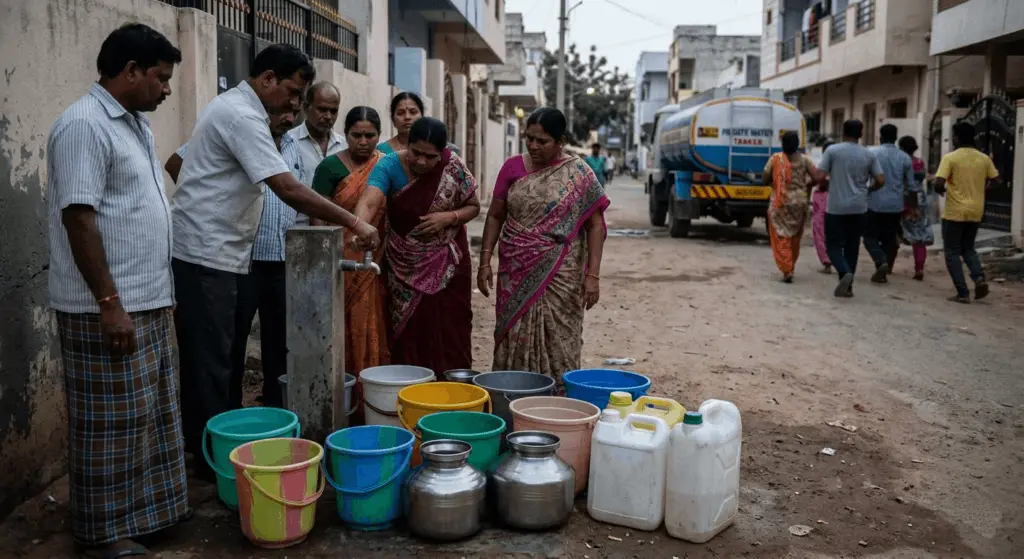
Areas Most Affected by the Water Shortage
Several rapidly developing residential zones have experienced higher pressure on water resources due to population growth.
Reports indicate supply concerns in locations such as:
Miyapur
Rapid residential development has significantly increased daily water demand.
Kukatpally
Large apartment communities are depending heavily on tanker services.
Gachibowli
Growing IT workforce and commercial expansion continue to increase water consumption.
LB Nagar
Residents have reported inconsistent municipal water schedules in certain neighborhoods.
Other Growing Areas
Water supply concerns have also been observed in:
- Bachupally
- Nizampet
- Manikonda
- Kondapur
- Pragathi Nagar
- Tellapur
- Kompally
The impact varies depending on local infrastructure and groundwater availability.
Why Is Hyderabad Facing a Water Crisis?
Experts point to several interconnected factors behind the growing water shortage.
1. Declining Groundwater Levels
Continuous groundwater extraction combined with insufficient recharge has reduced underground water reserves in many parts of the city.
2. Rapid Urban Expansion
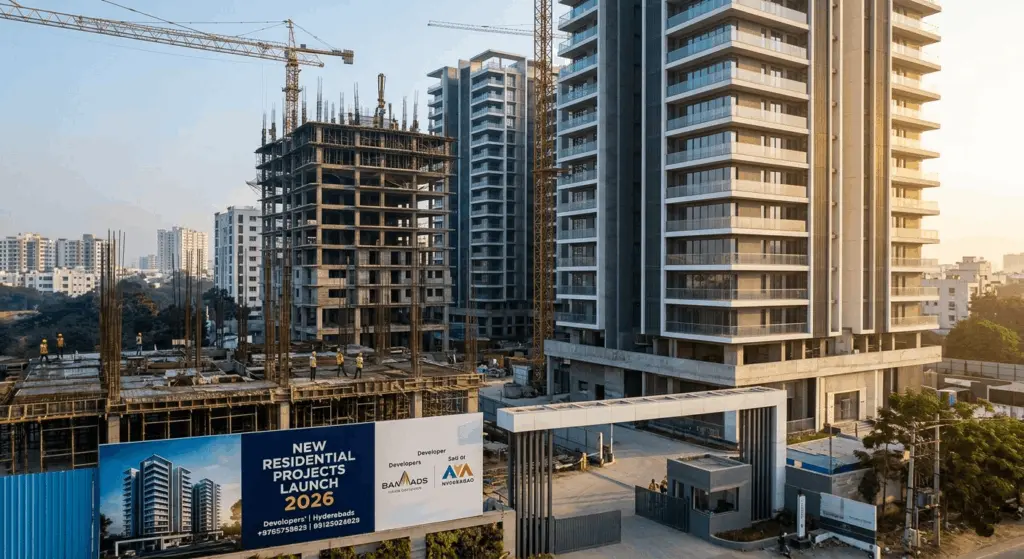
Hyderabad has witnessed substantial residential and commercial growth over the past decade.
New housing projects have significantly increased daily water demand.
3. Summer Season Demand
Higher temperatures naturally increase water consumption for drinking, cooling, gardening and domestic use.
Demand often exceeds available supply during peak summer months.
4. Infrastructure Challenges
Water pipelines require continuous maintenance.
Leakages, aging infrastructure and uneven distribution can affect supply consistency.
5. Population Growth
The city’s growing population continues to put pressure on existing water resources.
Urban planners note that infrastructure upgrades must keep pace with expanding residential development.
Impact on Daily Life
The water shortage affects both households and businesses.
Residents are spending more money each month on purchasing tanker water.
Restaurants, hotels, hospitals and service industries also face operational challenges when supply becomes irregular.
Apartment maintenance charges have increased in some communities due to rising water procurement costs.
Many families have also adopted water-saving habits to reduce dependence on commercial tankers.
Official Response from Authorities
The Hyderabad Metropolitan Water Supply and Sewerage Board (HMWSSB) has stated that it continues monitoring water distribution across the city.
According to officials, efforts include:
- Optimizing water supply schedules
- Repairing leakages
- Improving distribution efficiency
- Monitoring reservoir levels
- Encouraging responsible water use
Authorities have also appealed to citizens to avoid unnecessary water wastage during periods of increased demand.
Long-Term Solutions Being Considered
Experts believe long-term planning will play a crucial role in strengthening Hyderabad’s water security.
Suggested measures include:
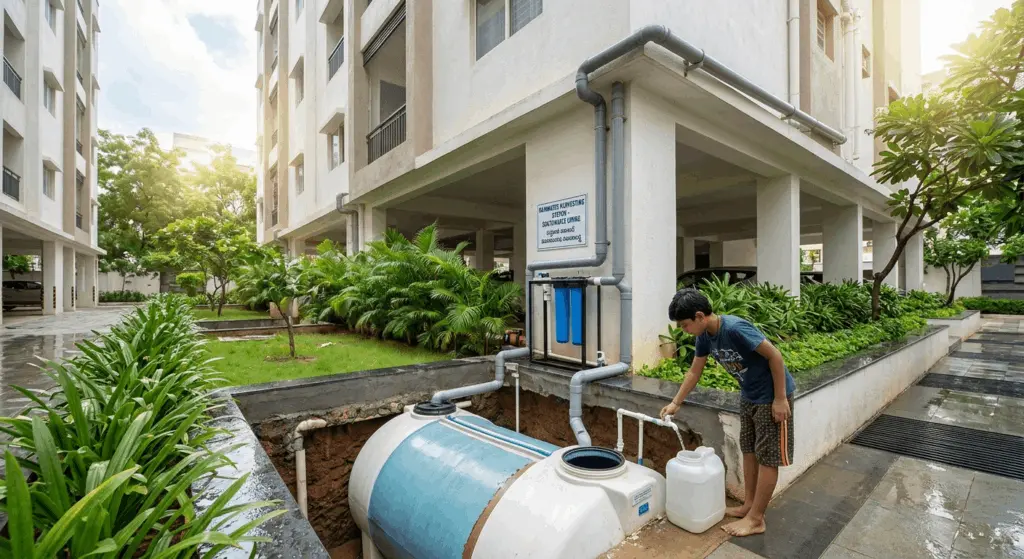
Rainwater Harvesting
Collecting rainwater can help recharge groundwater and reduce dependence on external water sources.
Better Groundwater Management
Monitoring extraction and promoting recharge initiatives can improve long-term availability.
Infrastructure Upgrades
Expanding pipelines, repairing leakages and increasing storage capacity can improve distribution efficiency.
Smart Water Monitoring
Technology-based monitoring systems can help identify leakages and optimize supply.
Water Conservation Tips for Residents
Residents can contribute by adopting responsible water-use practices.
Practical Water-Saving Measures
- Repair leaking taps immediately.
- Install water-efficient fixtures.
- Avoid unnecessary water usage.
- Store water safely.
- Reuse greywater wherever appropriate.
- Practice rainwater harvesting.
- Use washing machines and dishwashers with full loads.
- Water plants during early morning or evening hours.
Small daily actions across thousands of households can collectively reduce city-wide demand.
What Happens Next?
Water experts believe Hyderabad will continue facing seasonal water challenges unless infrastructure development keeps pace with urban growth.
Future initiatives may include:
- Expansion of water supply projects
- Additional reservoirs
- Better groundwater recharge
- Increased use of recycled water
- Improved monitoring systems
- Public awareness campaigns
Authorities are expected to continue reviewing supply conditions and implementing long-term improvements.
Conclusion
Hyderabad’s growing water crisis highlights the importance of sustainable urban planning and efficient water management. While private water tankers currently provide an essential alternative for many residents, long-term dependence on commercial supplies is neither economical nor sustainable.
Addressing groundwater depletion, expanding infrastructure, promoting rainwater harvesting, and encouraging responsible water consumption will be critical to ensuring a reliable water supply for Hyderabad’s rapidly growing population.
Residents, housing societies, government agencies and urban planners all have an important role to play in building a more resilient water management system for the future.
Frequently Asked Questions
Why is Hyderabad facing a water shortage?
The shortage is linked to declining groundwater levels, rapid urbanization, increased summer demand, infrastructure limitations, and population growth.
Which Hyderabad areas are most affected?
Residents in Miyapur, Kukatpally, Gachibowli, LB Nagar, Bachupally, Manikonda, Nizampet, Kondapur, and nearby areas have reported higher dependence on private tankers.
Why are private tanker prices increasing?
Higher demand, limited supply, transportation costs, and seasonal shortages contribute to increased tanker prices.
What can residents do to conserve water?
Residents can fix leaks, install water-saving fixtures, practice rainwater harvesting, reuse greywater where appropriate, and avoid unnecessary water wastage.


Leave a Reply